





Far-infrared (FIR) therapy has attracted increasing scientific interest as a non-invasive physical therapy approach. Researchers have investigated its potential effects on circulation, vascular function, oxidative stress, inflammation, wound healing, and other physiological processes.
But what does the research actually tell us?
For someone who has heard about far-infrared therapy but is unsure how it may work—or whether the reported benefits are supported by scientific research—it can be difficult to make sense of individual studies.
This article brings together findings from recent research, including a 2026 Far-Infrared Therapy review reports published in PubMed Central (PMC) and several clinical and preclinical studies available through Scientific Reports. Rather than focusing on a single study, we will look at the proposed biological mechanisms, the areas that have been studied, and what researchers still do not know.
Importantly, FIR therapy is being investigated as a complementary, non-invasive approach. The strength of evidence varies considerably between health conditions, and current research does not support using FIR as a replacement for medical diagnosis or conventional treatment.
What Is Far-Infrared Therapy?
Infrared radiation is an invisible form of electromagnetic radiation with wavelengths longer than visible light. The infrared spectrum extends broadly from approximately 0.75 to 1,000 micrometers (μm), although different studies use different boundaries when defining near-, mid-, and far-infrared regions.
2026 Far-Infrared Therapy review report focusing specifically on FIR therapy describes far-infrared wavelengths in the range of approximately 3–25 μm. The authors emphasize that different wavelengths can produce different physical and biological effects, and that the precise mechanisms of FIR therapy are still being investigated.
FIR therapy can be delivered in different ways, including infrared emitters, FIR saunas, and localized FIR devices. Depending on the device and treatment protocol, FIR exposure may produce gentle, sustained warming of superficial and subcutaneous tissues while also triggering biological signaling pathways.
This distinction is important.
FIR is not simply about making the body feel warm.
Current research suggests that its effects may involve a combination of thermal effects and wavelength-dependent biological signaling.
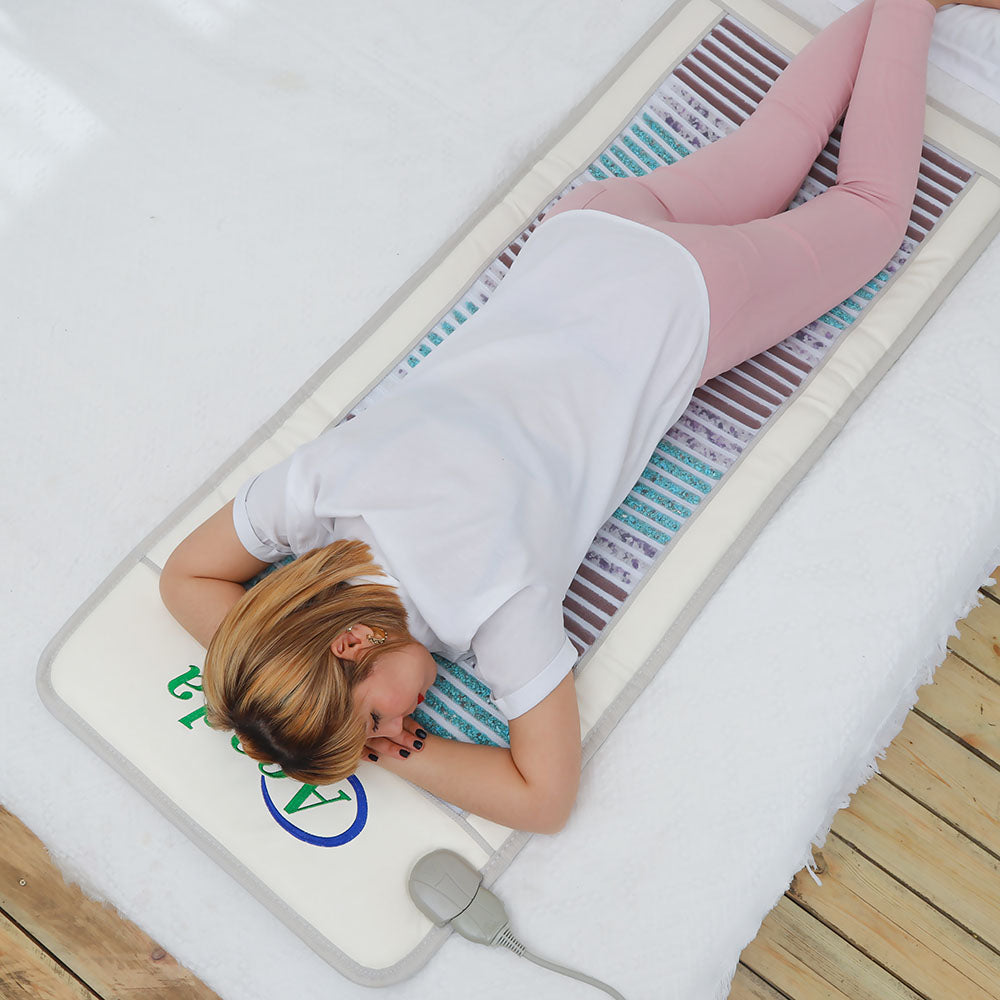
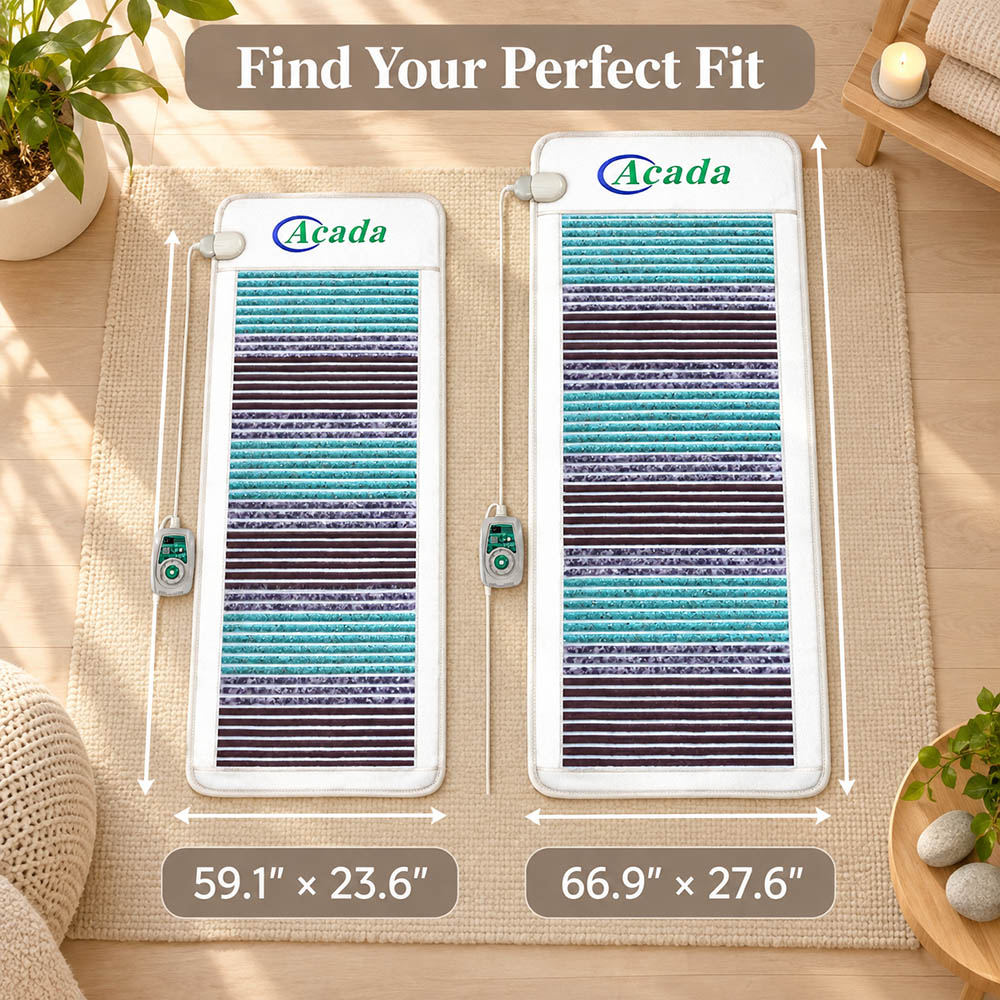
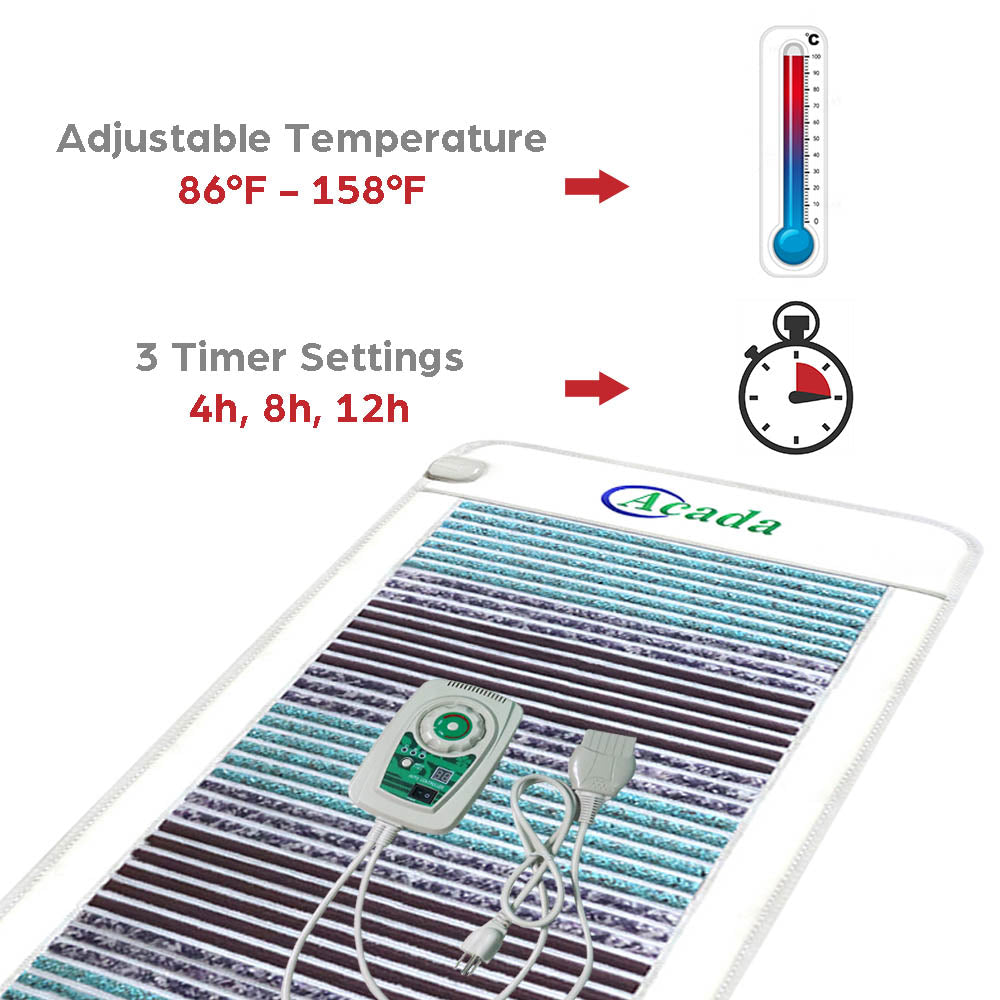
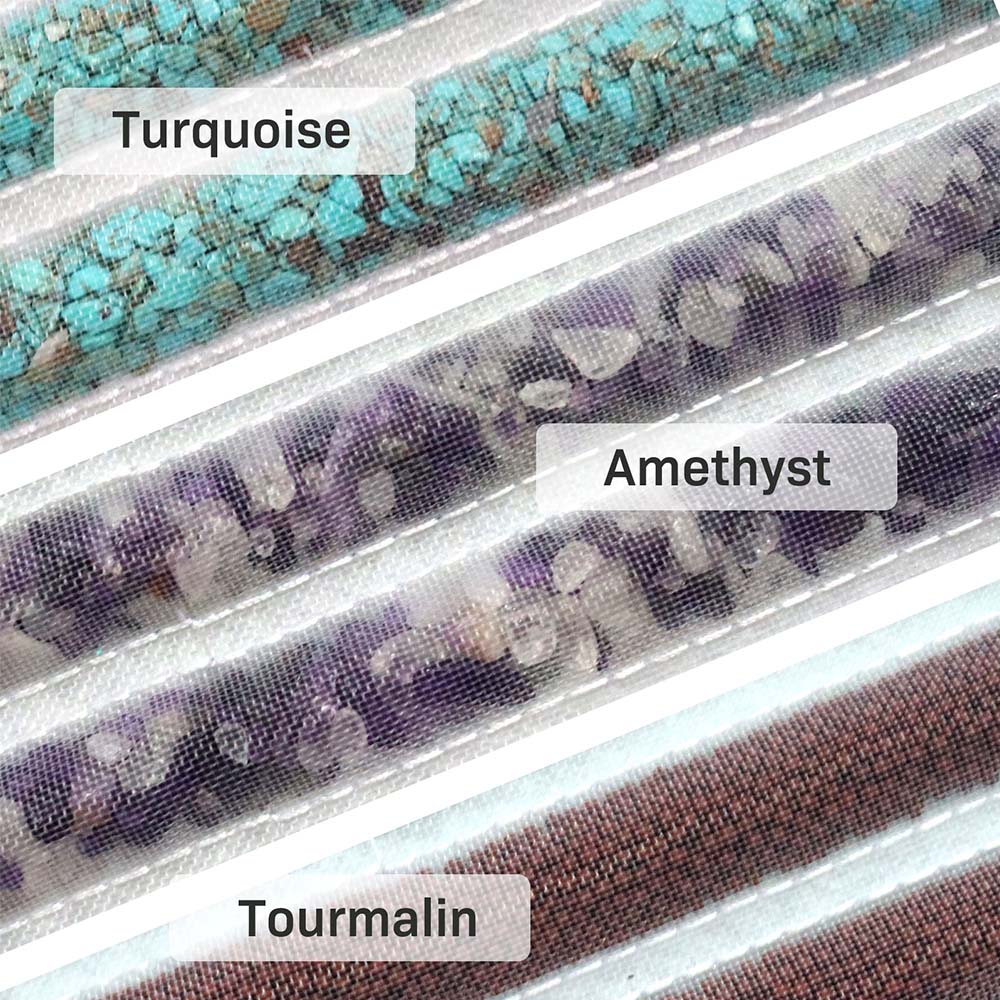
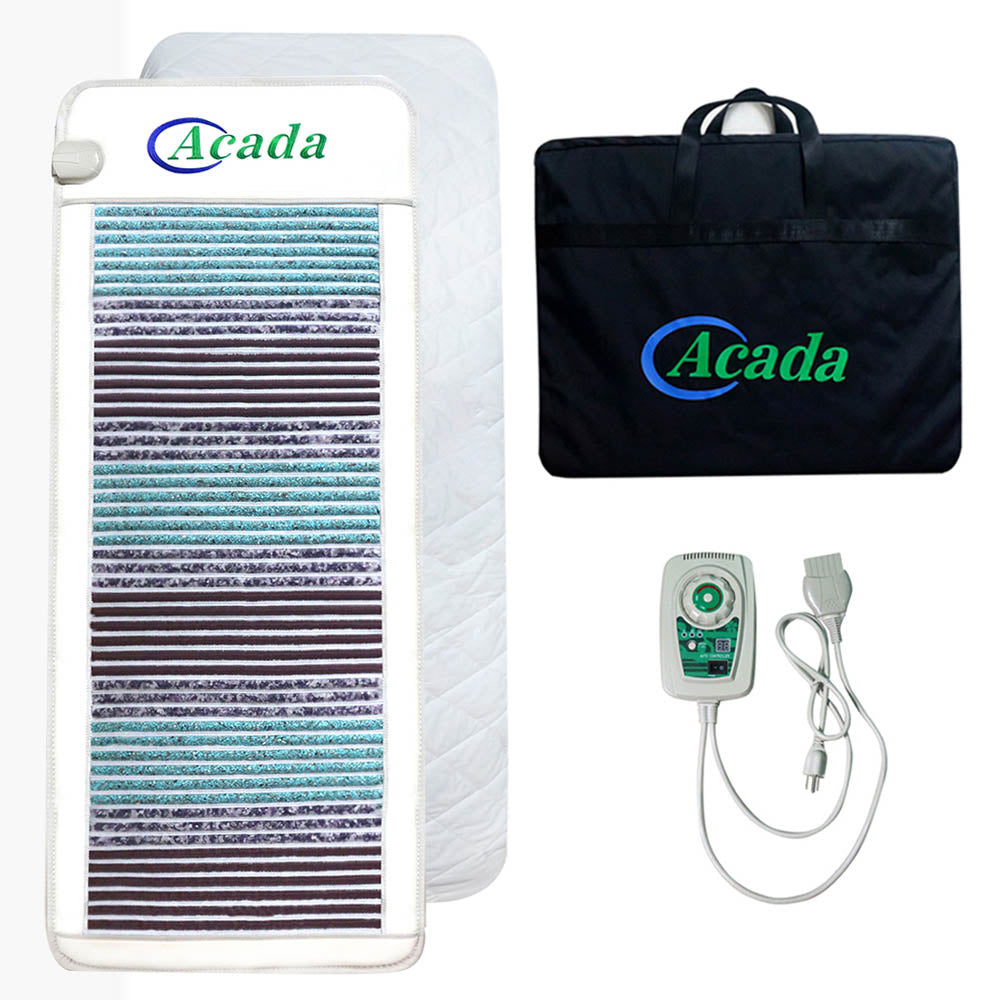
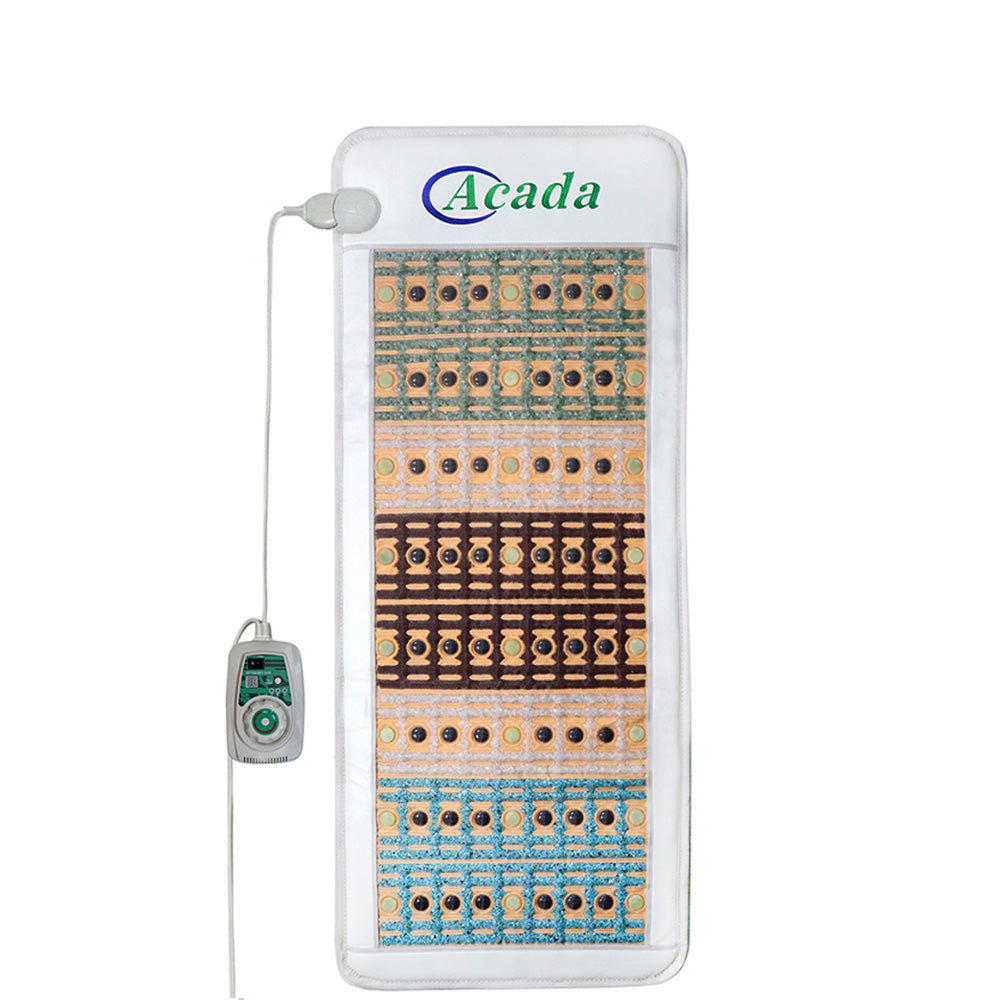
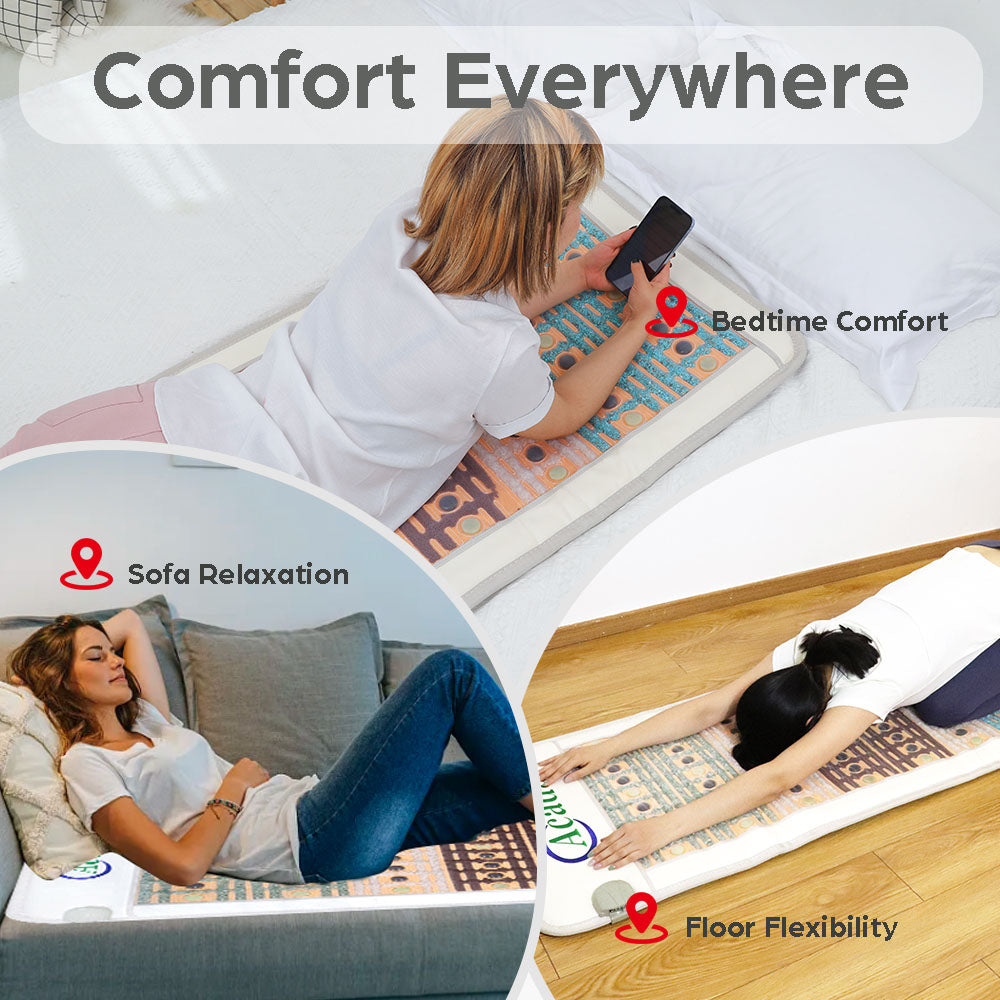
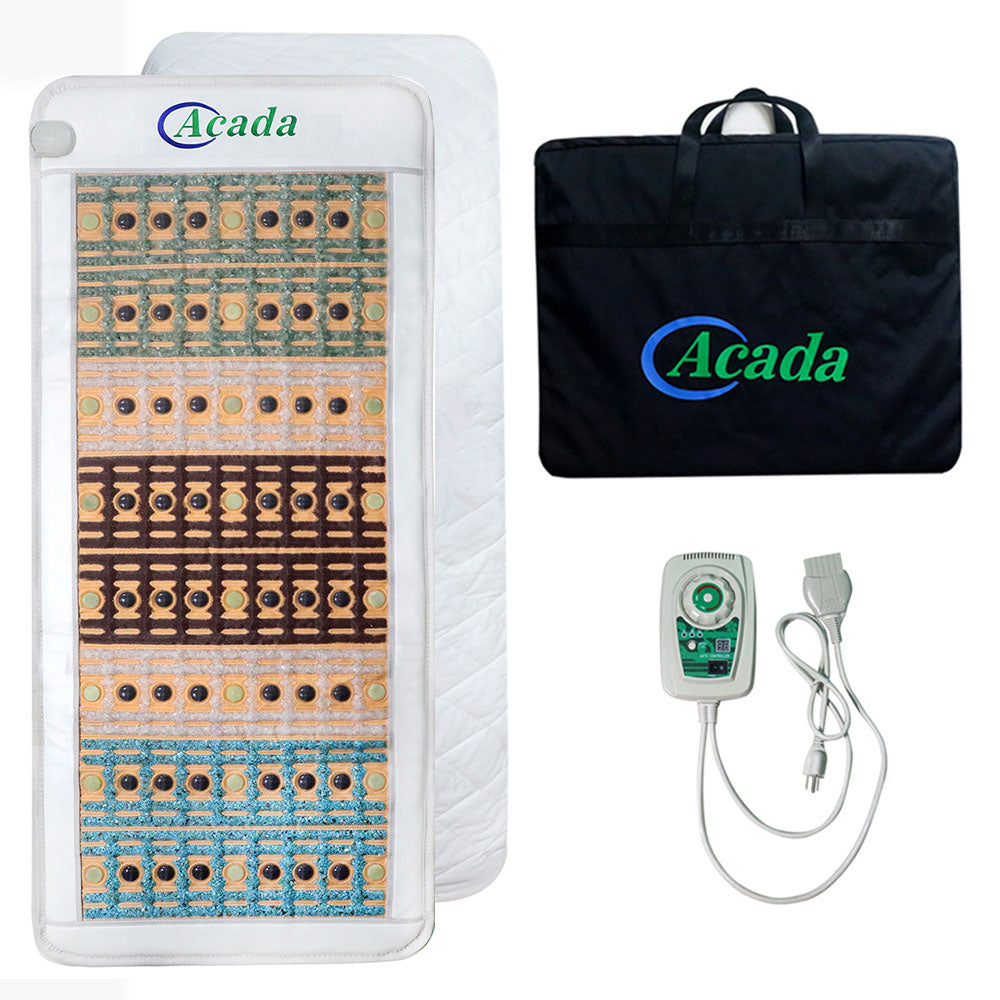
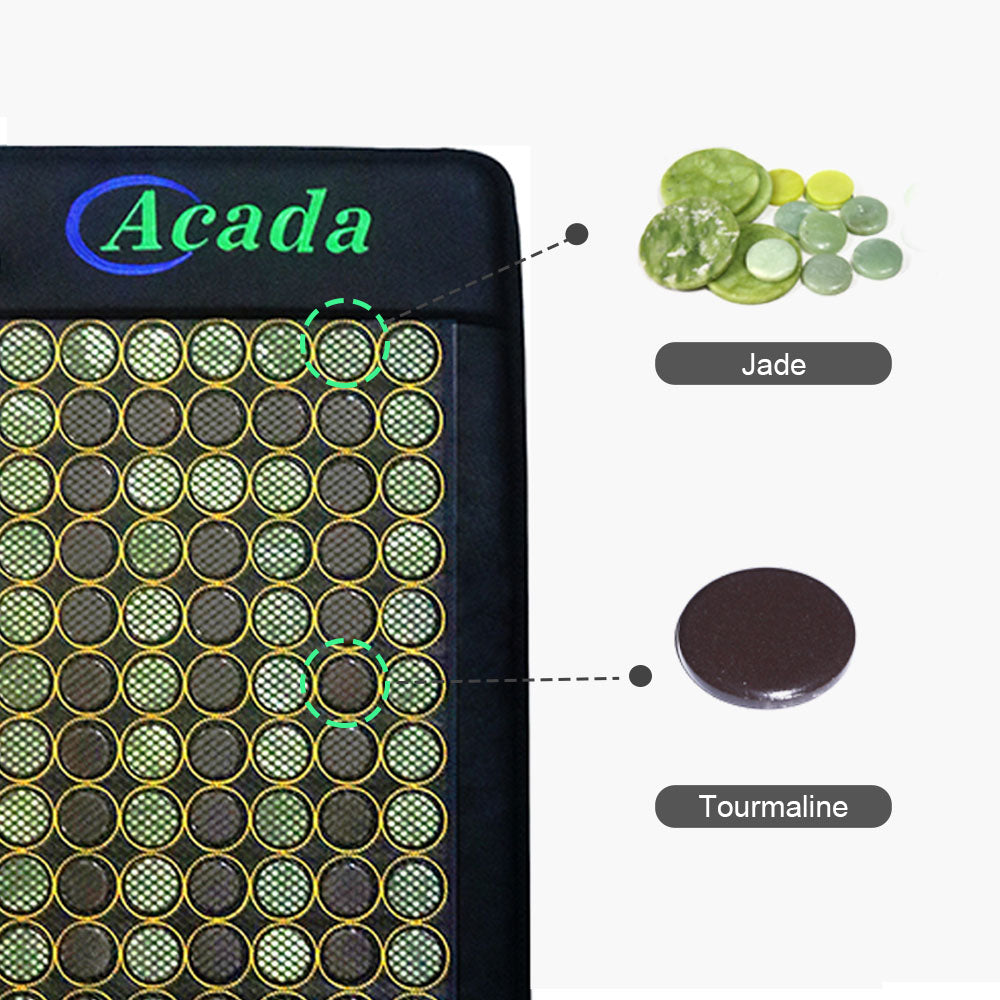
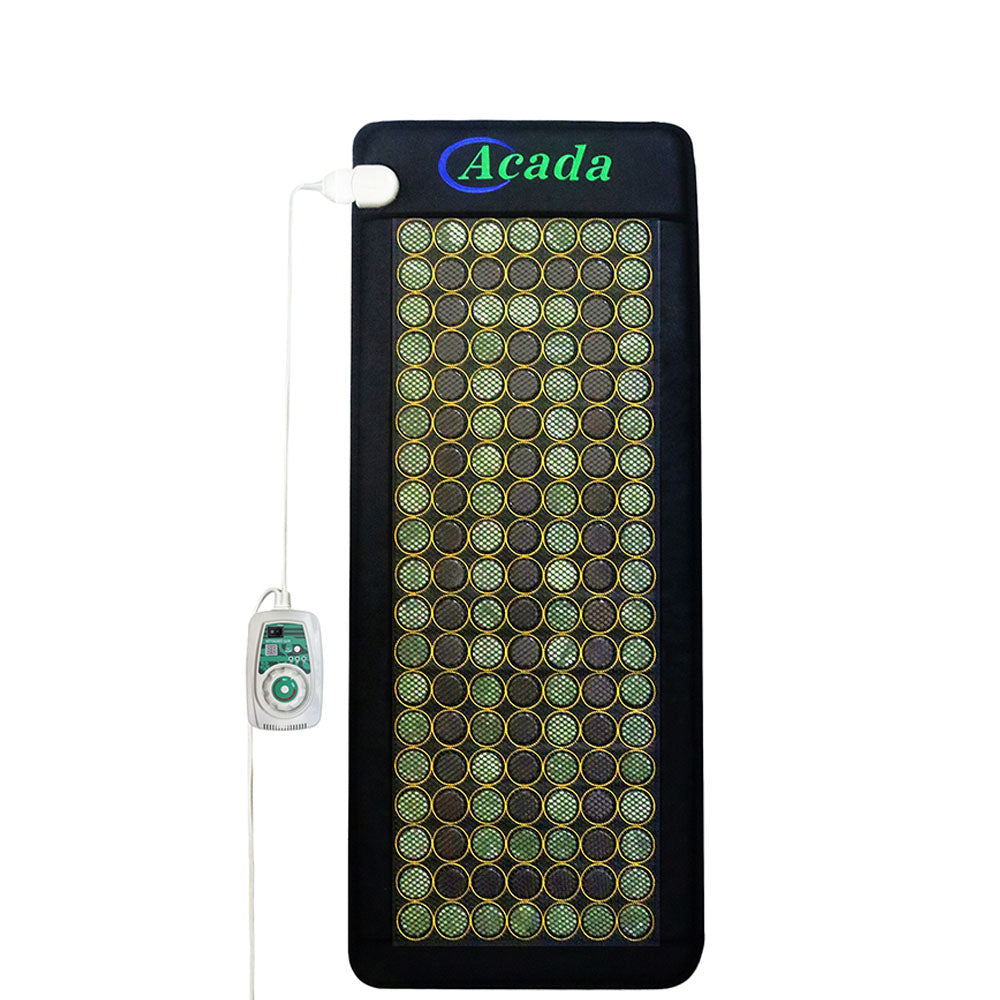
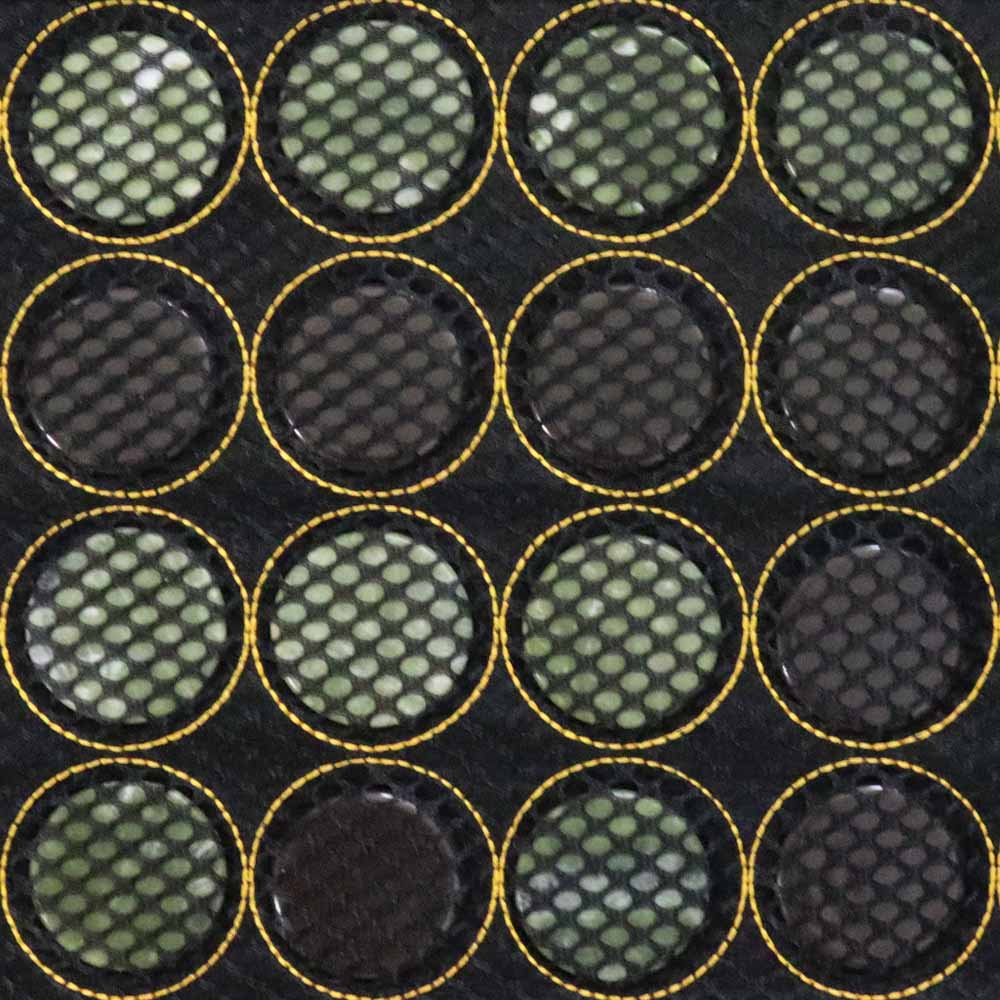
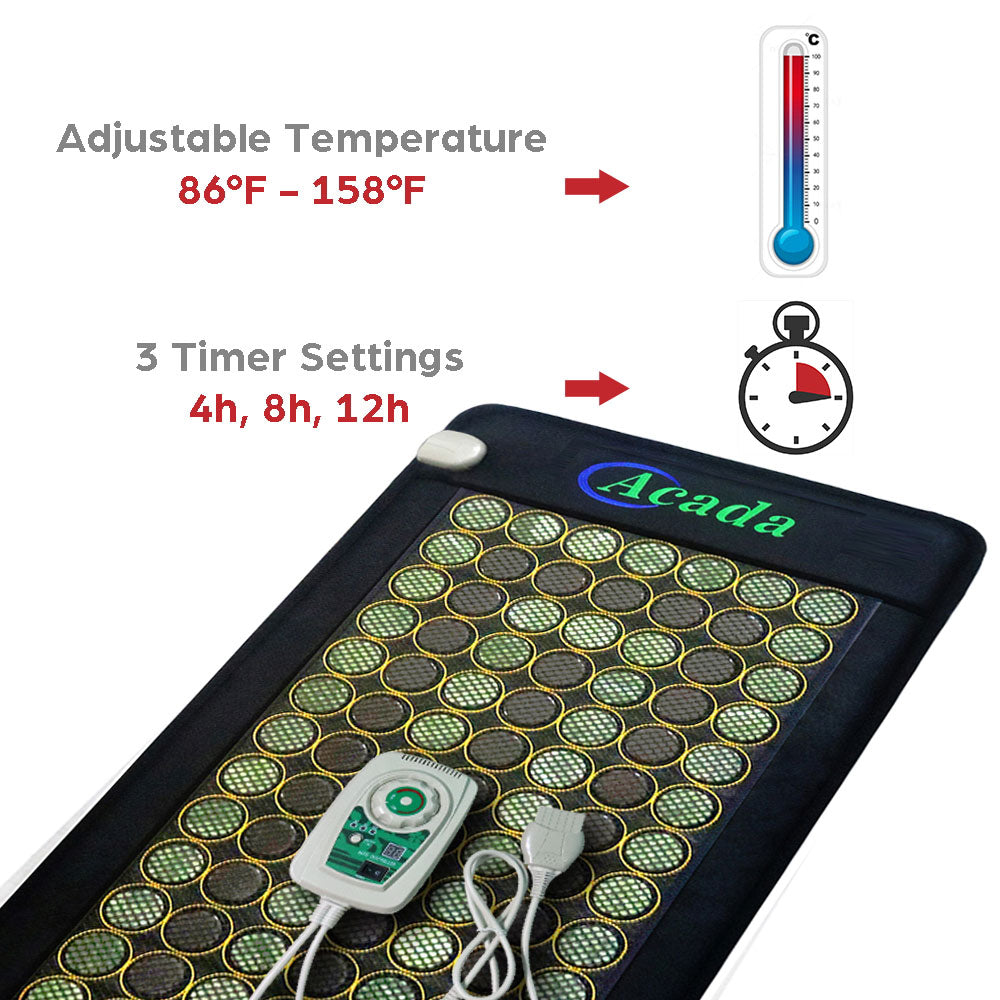
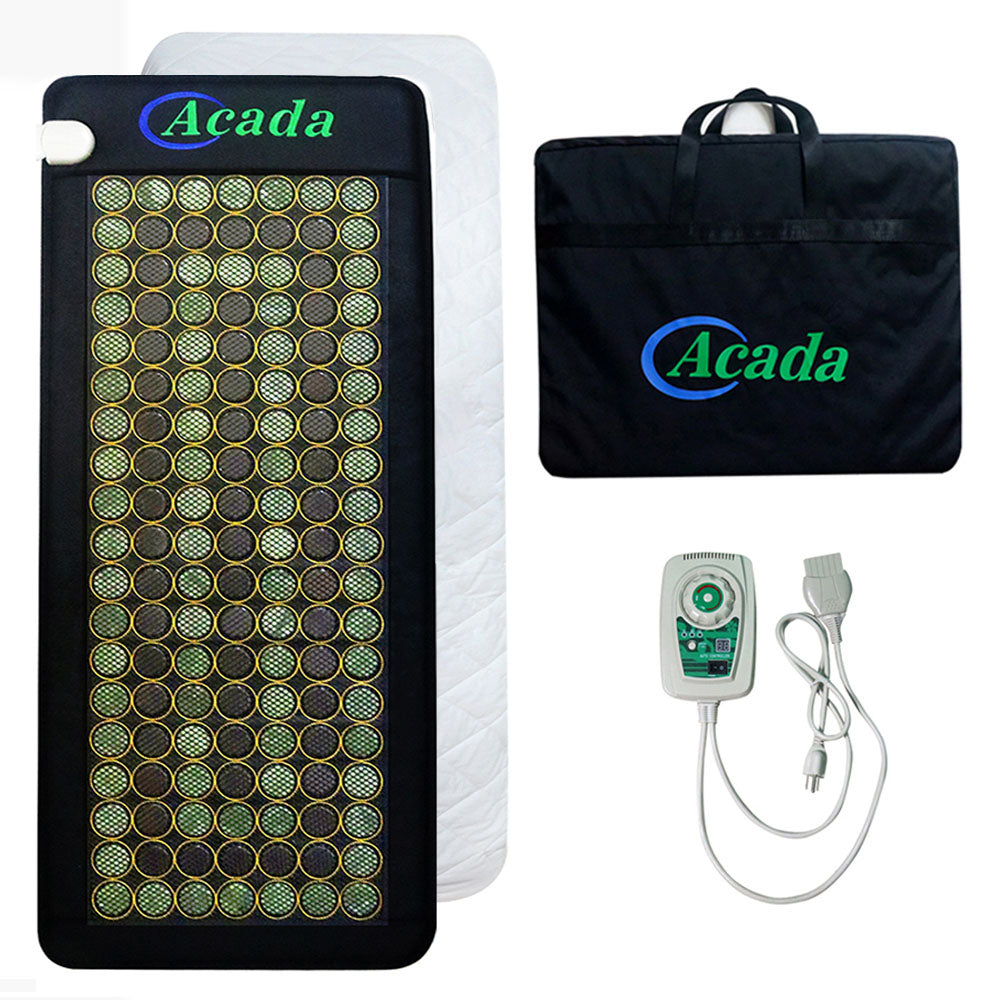
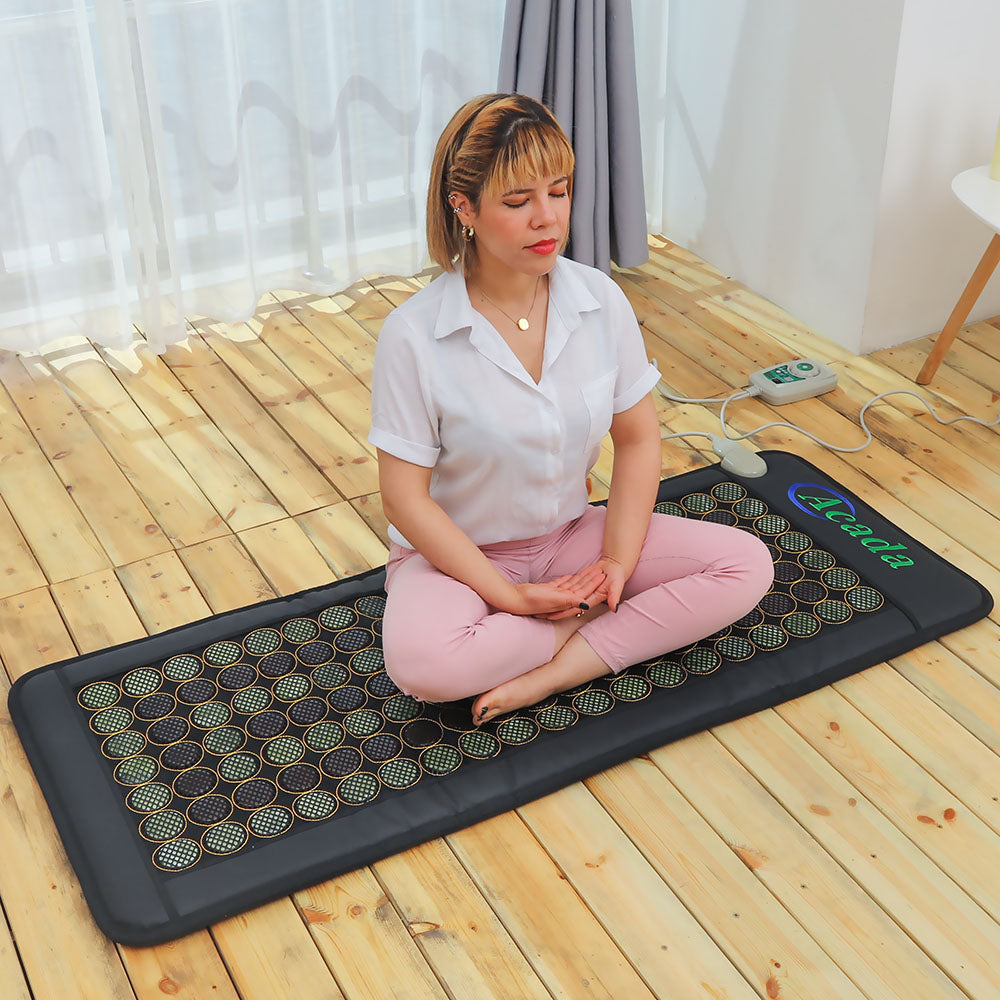
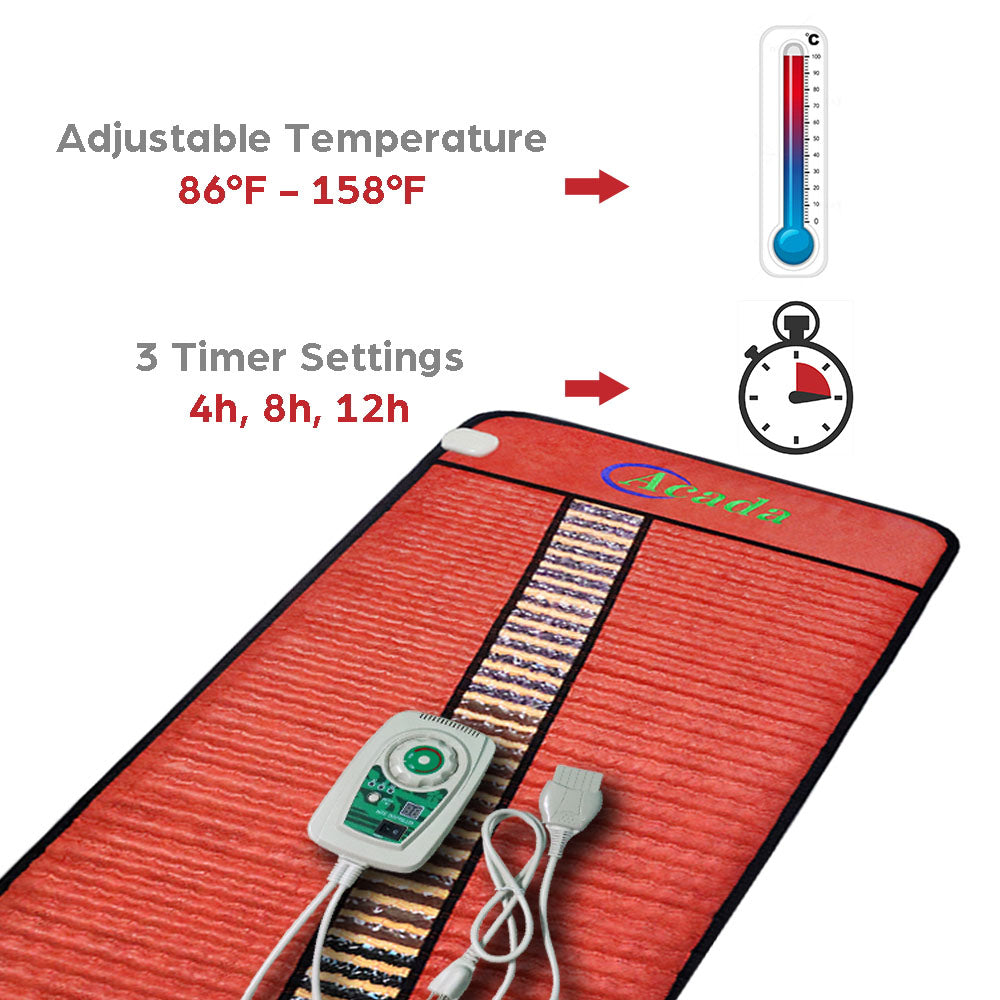
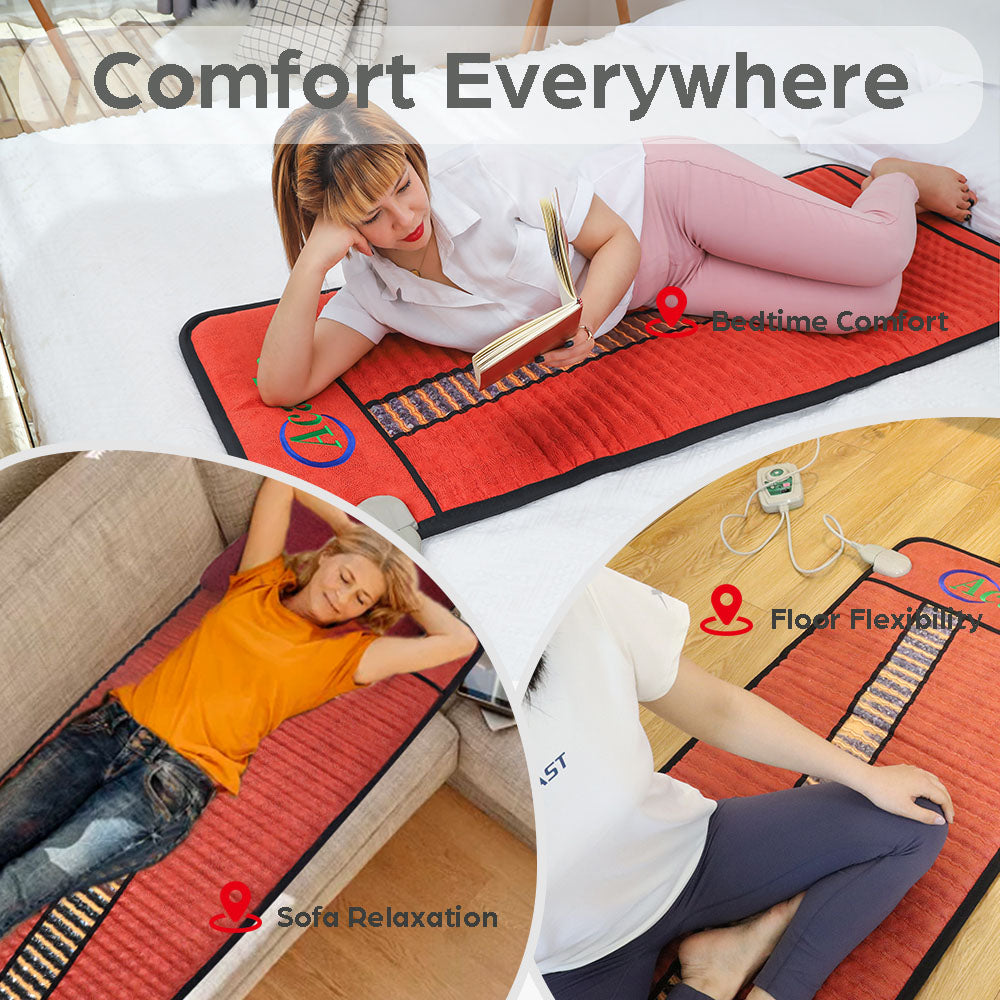
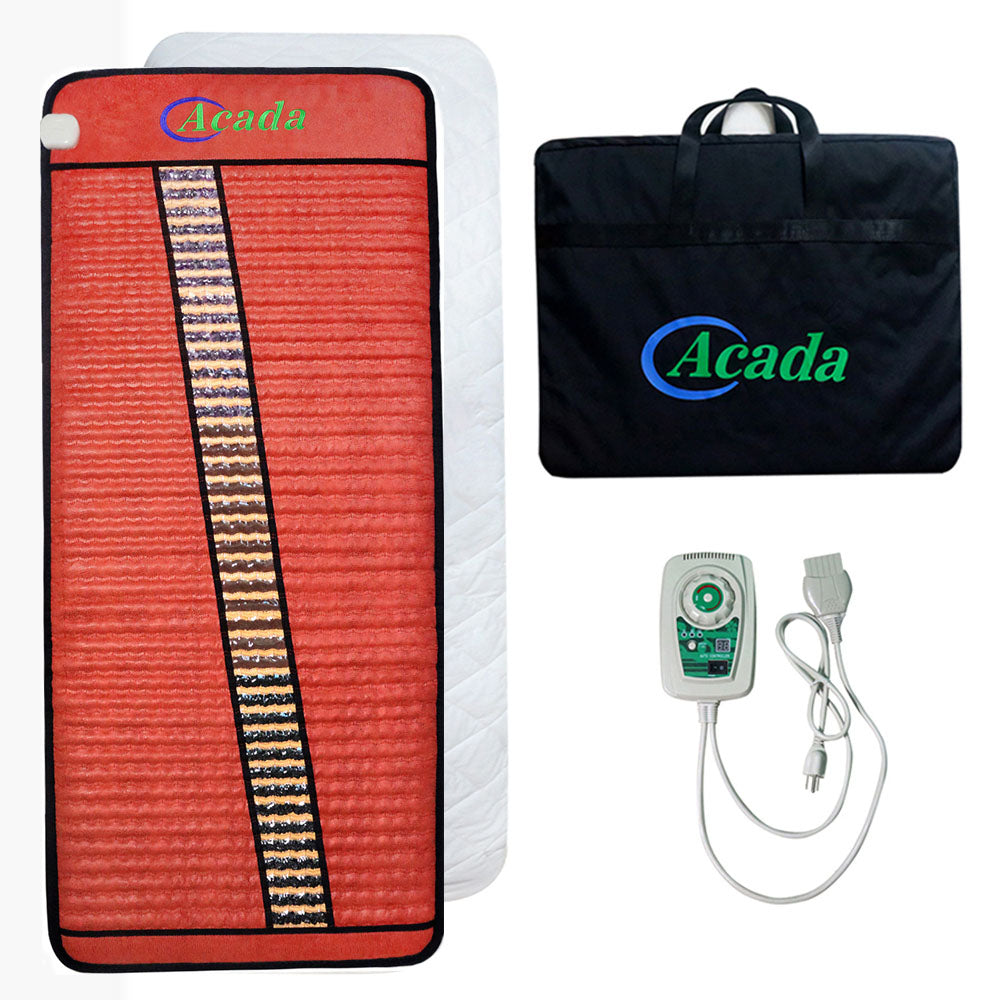
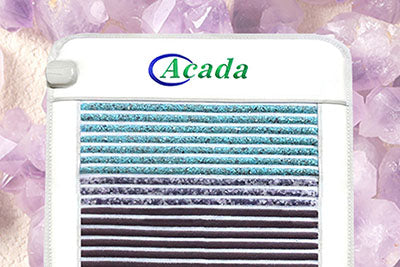
For those interested in incorporating FIR heat into a regular wellness routine, Acada's far-infrared heating mats and pads offer a convenient at-home option.
How Might Far-Infrared Therapy Affect the Body?

One of the most interesting developments in FIR research is the growing understanding of how changes at the tissue level may influence vascular and cellular function.
The 2026 review describes several interconnected pathways involving:
-
Endothelial nitric oxide synthase (eNOS)
-
Nitric oxide (NO)
-
Oxidative stress
-
The Nrf2 antioxidant pathway
-
NF-κB and inflammatory signaling
-
Angiogenesis
-
Vascular remodeling
-
Endothelial progenitor cells
These mechanisms are not independent. They form a network that may help explain why FIR has been studied in areas ranging from cardiovascular health to wound repair.
FIR and Nitric Oxide: A Potential Link to Circulation
The endothelium is the thin layer of cells lining our blood vessels. Healthy endothelial function is essential for regulating vascular tone and maintaining normal blood flow.
One important molecule involved in this process is nitric oxide (NO).
Endothelial nitric oxide synthase, or eNOS, produces NO in endothelial cells. NO helps relax blood vessels, allowing them to dilate and supporting normal blood flow.
According to the Far-Infrared Therapy review report, FIR exposure may activate signaling pathways—including PI3K-Akt and AMPK—that increase eNOS phosphorylation and NO availability. This provides a potential biological explanation for the improvements in endothelial function and microvascular perfusion reported in some clinical studies.
In simple terms:
FIR exposure → eNOS activation → increased NO availability → vascular relaxation → potentially improved blood flow
This is one of the key mechanisms currently being investigated in FIR research.
1. Far-Infrared Therapy and Cardiovascular Health
The relationship between FIR therapy and cardiovascular function is one of the more extensively studied areas.
Clinical studies have investigated FIR exposure in people with conditions including coronary artery disease, chronic heart failure, and peripheral artery disease. The 2026 review reports that randomized and observational studies have observed improvements in measures of endothelium-dependent vasodilation, along with changes in oxidative stress and inflammatory markers.
One commonly used measurement is flow-mediated dilation (FMD).
FMD evaluates how well an artery responds when blood flow increases. Because endothelial cells contribute to this response through NO release, FMD is often used as an indicator of endothelial function.
Earlier clinical studies of FIR sauna therapy reported improvements in brachial artery FMD after several weeks of treatment, with some studies also reporting improvements in exercise tolerance.
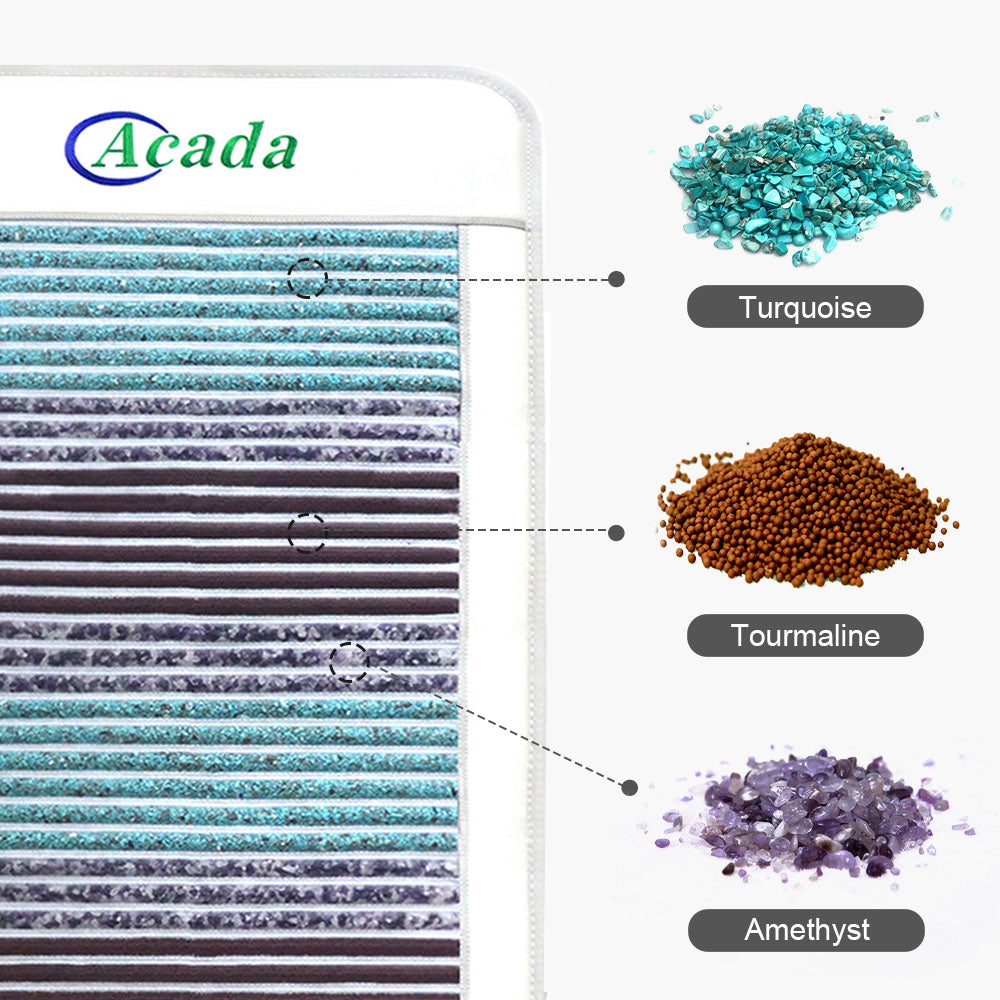
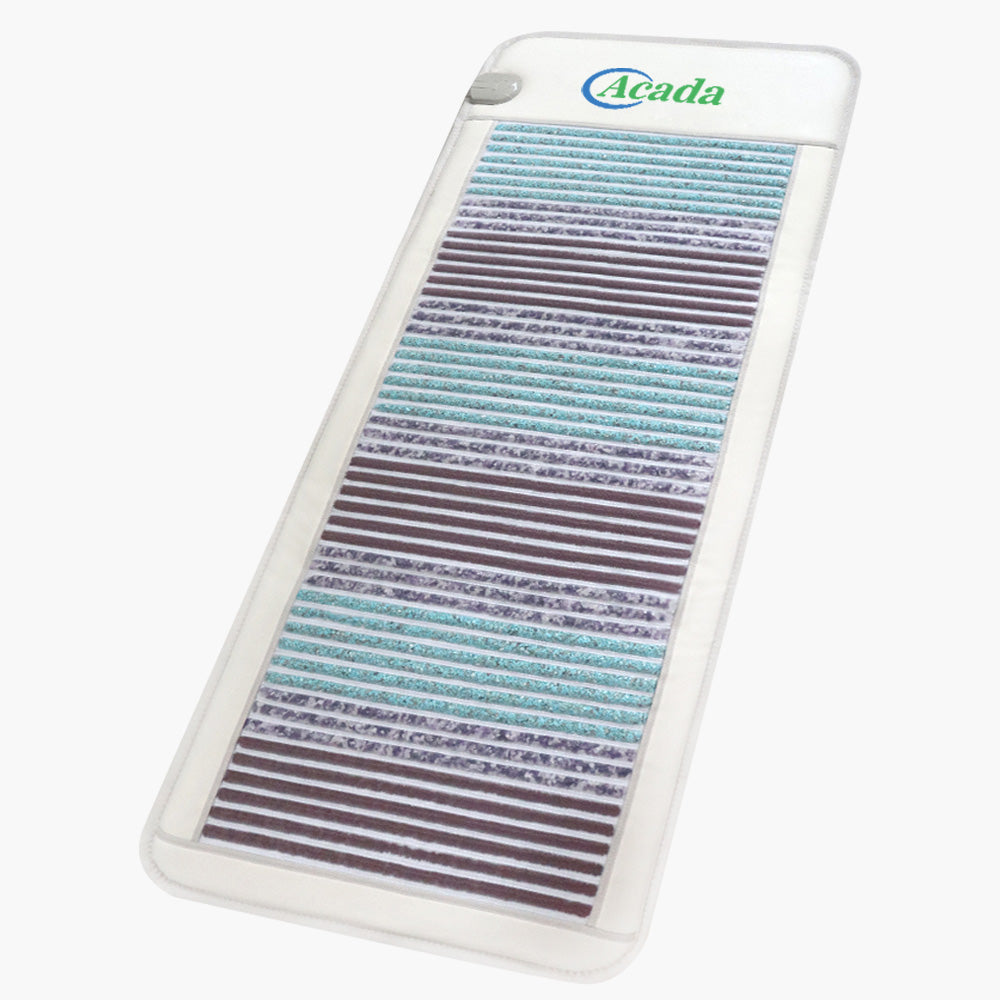
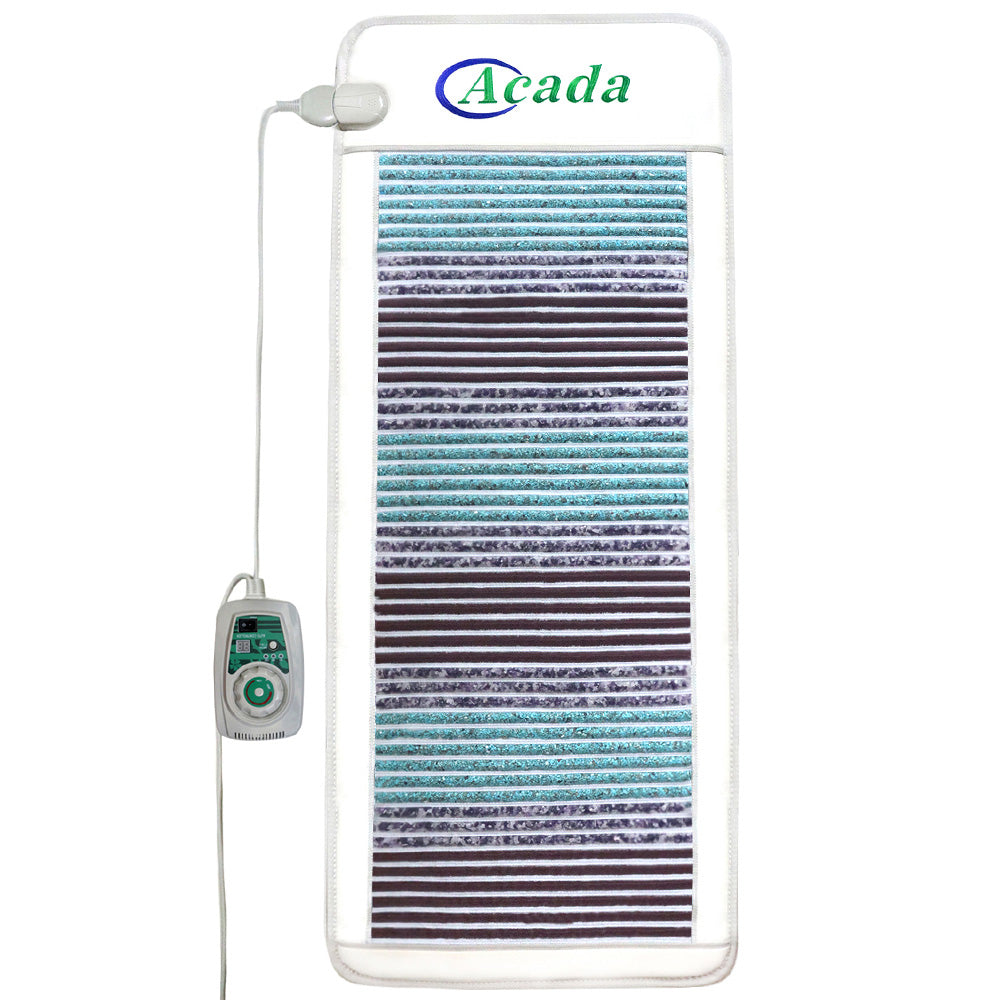
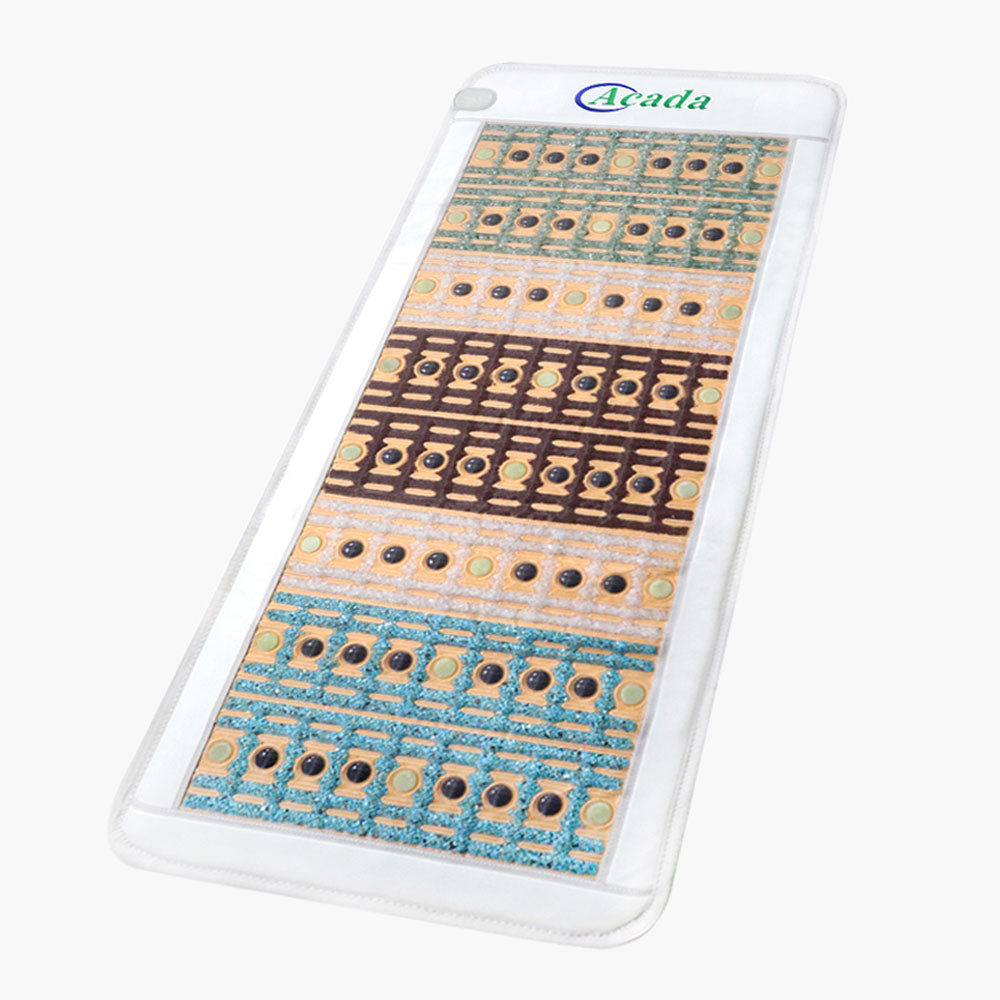
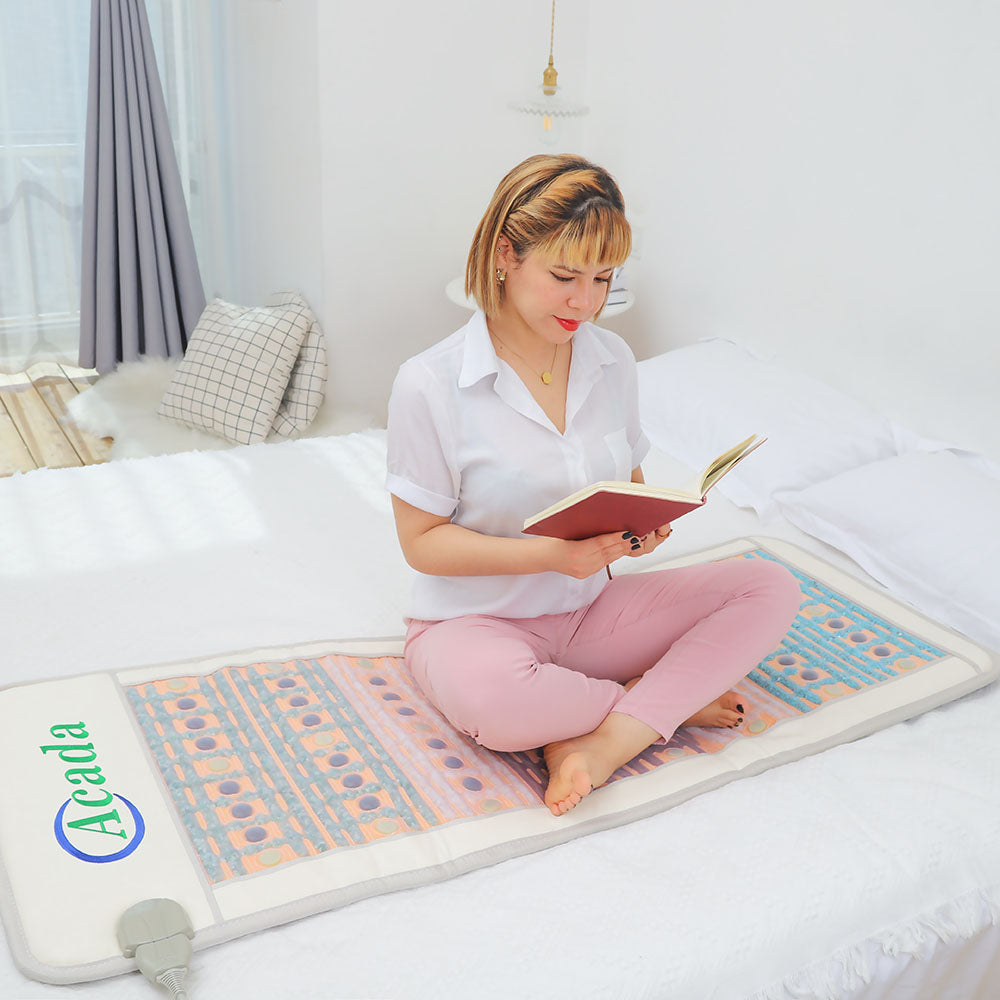
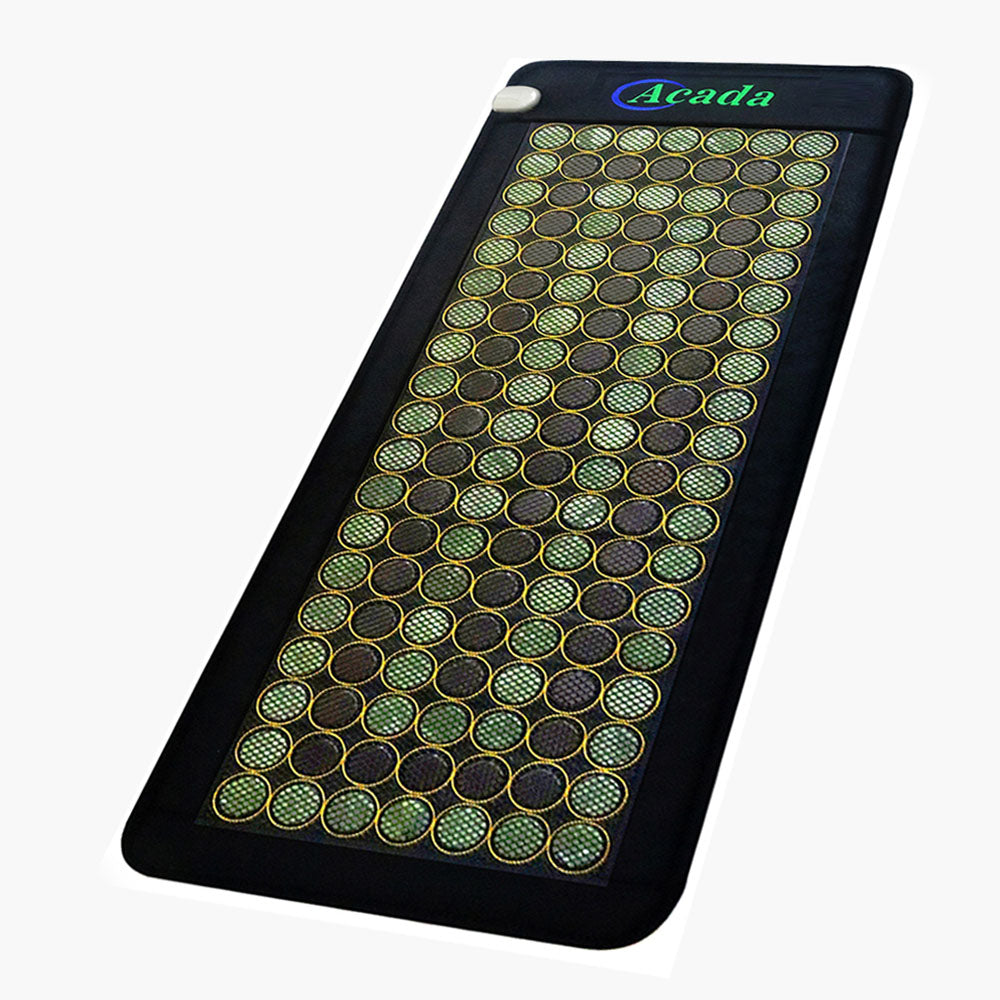
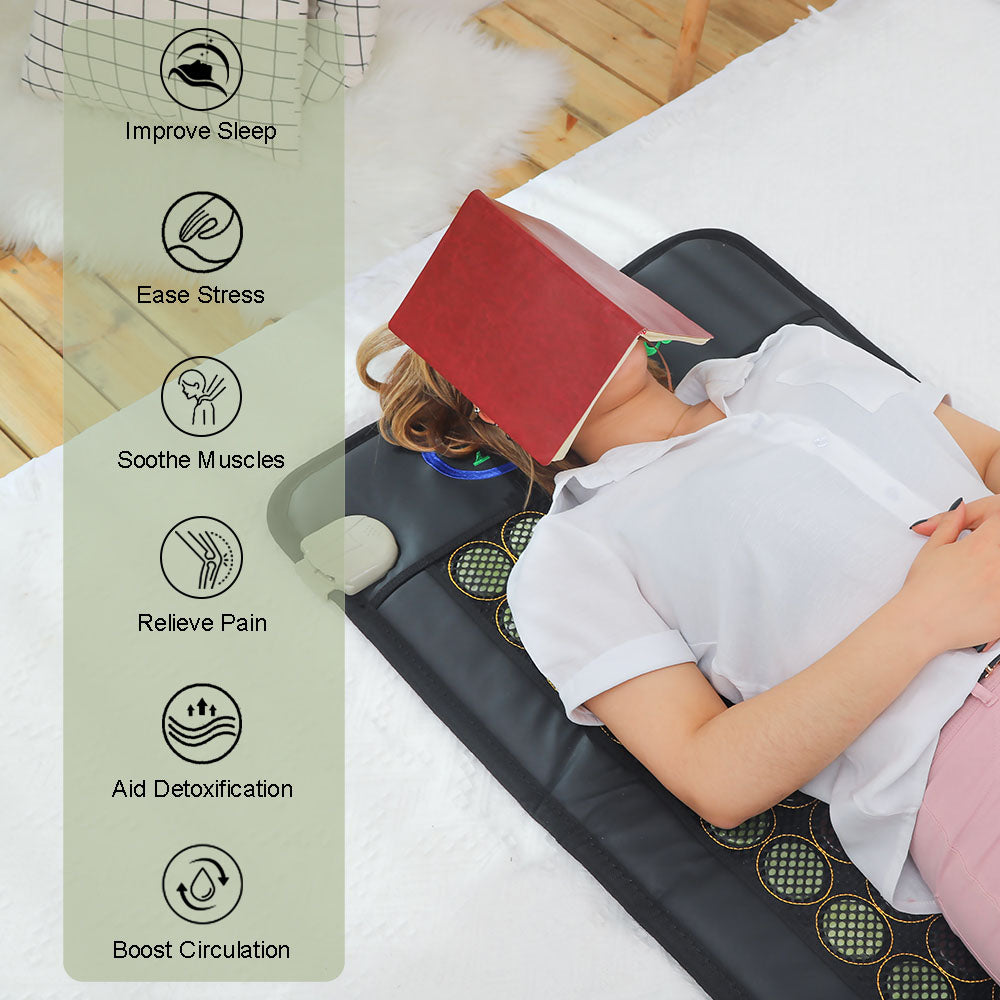
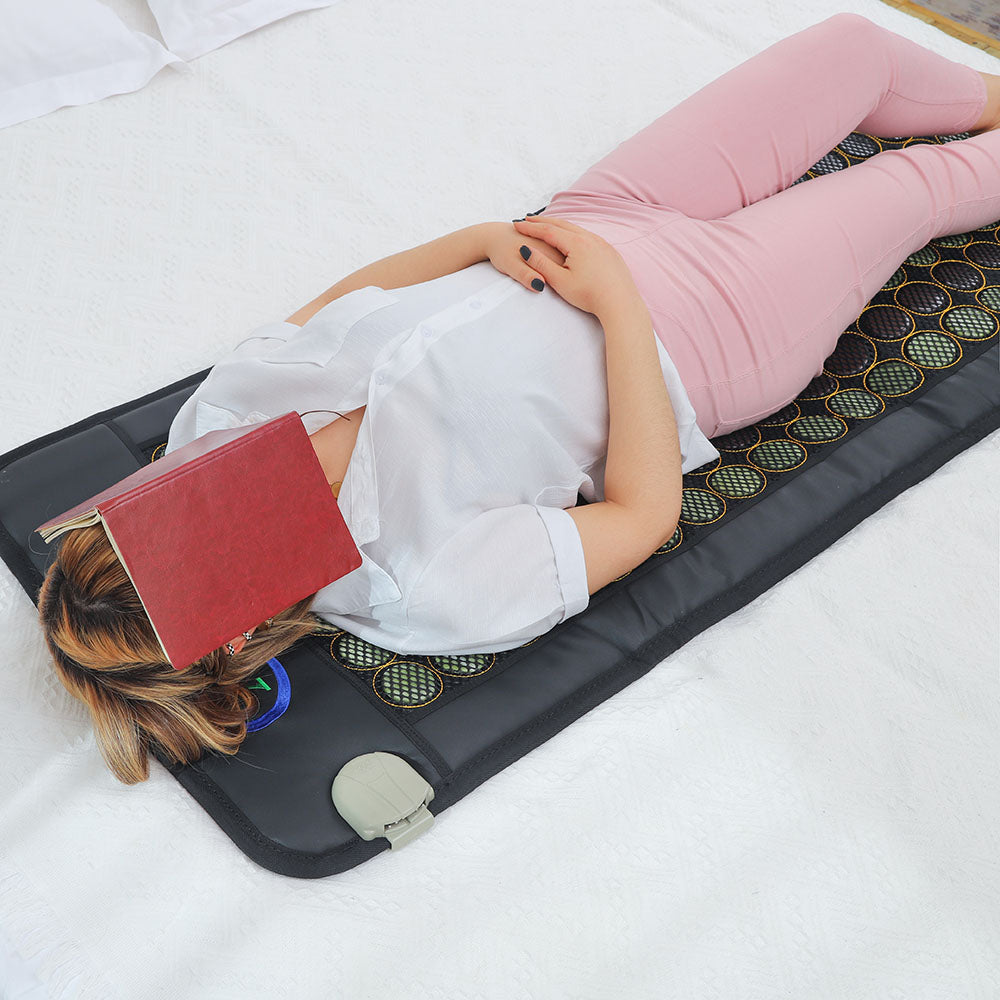
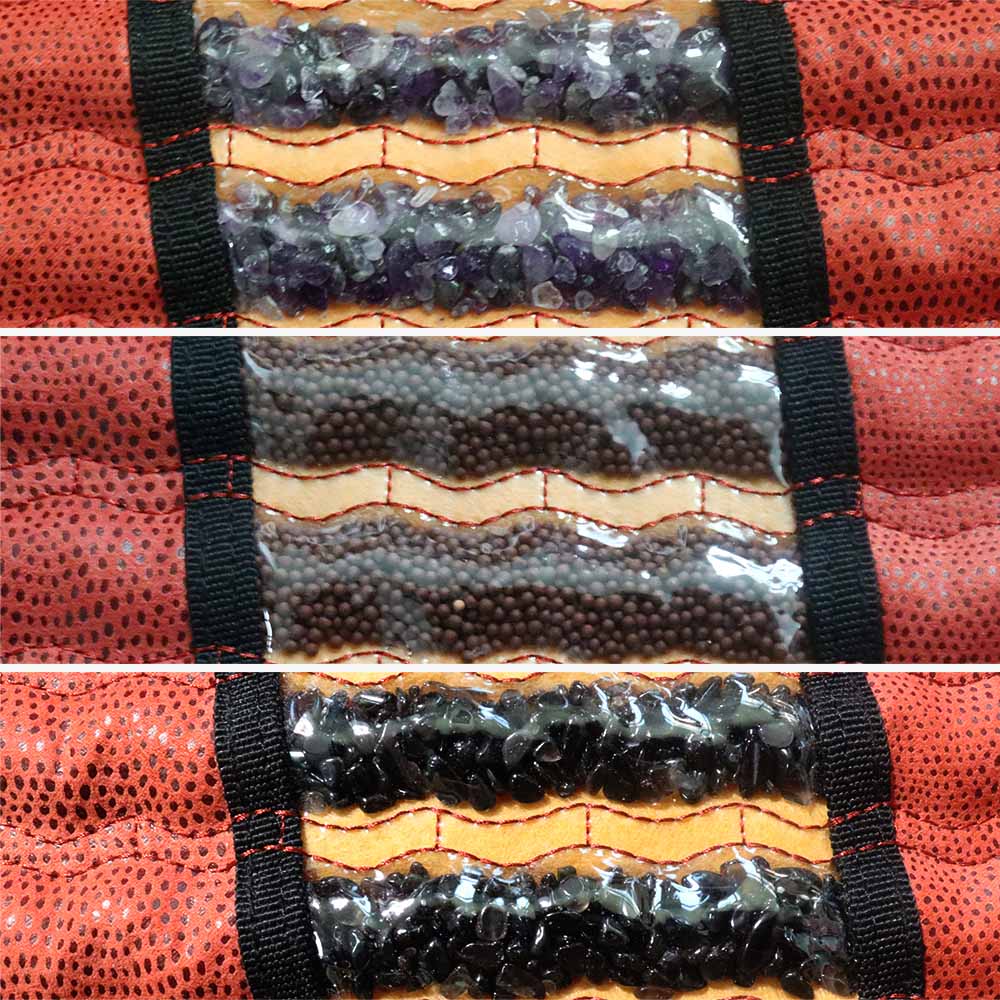
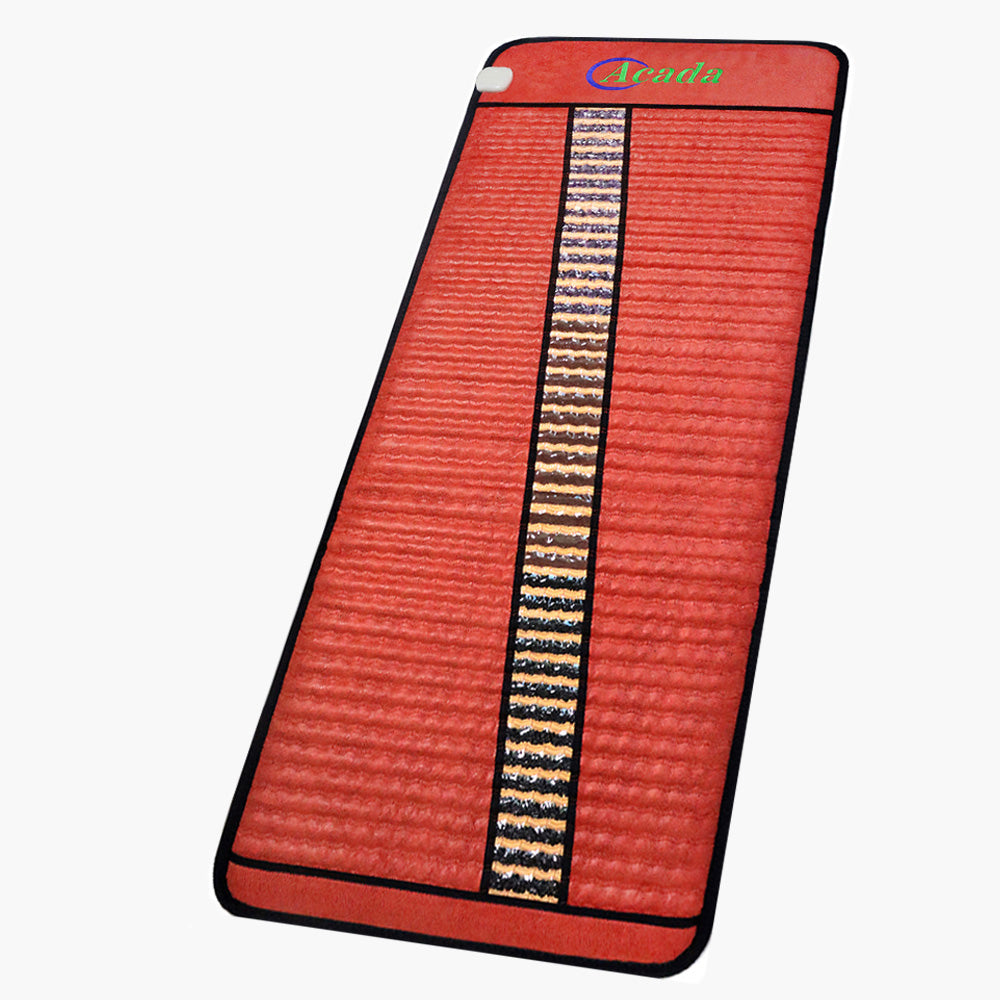
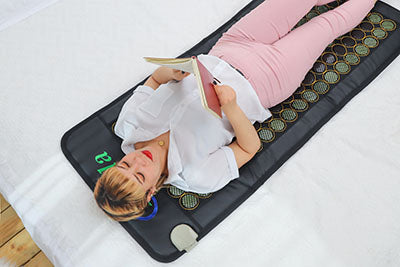
In practical wellness settings, FIR heat can be incorporated into a daily relaxation routine through gemstone infrared heating mats.
Why Does This Matter?
Endothelial dysfunction is associated with a number of cardiovascular risk factors, including hypertension, diabetes, obesity, and smoking.
Therefore, researchers are interested in whether improving endothelial function and NO availability could contribute to better vascular health.
However, it is important to distinguish between improving a physiological marker and treating a cardiovascular disease.
Current evidence suggests that FIR may influence vascular function, but larger and longer-term clinical trials are still needed to determine how these changes translate into meaningful clinical outcomes.
2. Far-Infrared Therapy, Oxidative Stress, and Metabolic Health
Another major area of FIR research is oxidative stress.
Oxidative stress occurs when the production of reactive oxygen species (ROS) exceeds the body's ability to neutralize them. Persistent oxidative stress is involved in many physiological and pathological processes, including vascular dysfunction and metabolic disorders.
The 2026 review describes several potential mechanisms through which FIR may influence oxidative balance.
These include:
-
Reducing activity of certain NADPH oxidases
-
Activating the Nrf2–ARE antioxidant pathway
-
Increasing endogenous antioxidant defenses
-
Reducing downstream inflammatory signaling
The Nrf2 pathway is particularly interesting because it regulates the expression of several antioxidant enzymes, including enzymes involved in protecting cells against oxidative damage.
This gives researchers another possible pathway connecting FIR exposure with vascular and metabolic function.
3. Far-Infrared and Diabetes-Related Research
Diabetes is closely associated with vascular dysfunction, oxidative stress, inflammation, and impaired tissue repair.
For this reason, researchers have explored FIR in several diabetes-related areas, including vascular function, blood flow, and wound healing.
Earlier clinical research reported reductions in oxidative stress markers following FIR exposure in people with diabetes. Other research has investigated whether FIR can influence blood flow and vascular repair mechanisms.
More recently, a 2026 study published in the International Journal of Molecular Sciences investigated graphene-based FIR therapy in a diabetic rat model with full-thickness wounds.
The researchers reported that FIR-treated wounds showed faster closure, reduced ROS accumulation, changes in inflammatory chemokines, reduced M1 macrophage activity, increased markers associated with M2 macrophages, and enhanced vascular regeneration. By day 14, the FIR-treated group had an 83.9% wound closure rate compared with 66.8% in untreated diabetic controls.
These findings are interesting because they suggest that FIR may influence several aspects of the wound-healing environment at the same time:
Oxidative stress ↓
Pro-inflammatory signaling ↓
M2-associated repair activity ↑
Angiogenesis ↑
Tissue repair ↑
However, this study was conducted in diabetic rats, not humans. The results therefore provide promising preclinical evidence, but they cannot by themselves establish that the same effect will occur in people with diabetic wounds.
4. Far-Infrared Therapy and Blood Flow

Improved circulation is one of the most frequently discussed potential effects of FIR therapy.
The mechanism may begin with mild tissue warming and changes in vascular signaling. FIR-related activation of eNOS and increased NO availability may promote vasodilation, while other pathways may influence oxidative stress, inflammation, and vascular remodeling.
Research has examined both local and systemic effects.
For example, a randomized study of adults over 50 found that 40 minutes of FIR exposure significantly increased foot skin temperature by approximately 4–7°C, suggesting increased local blood flow. The study also observed changes in measures of autonomic nervous system activity.
It is important to understand what such findings mean.
An increase in skin temperature is not automatically proof of improved deep-tissue circulation, and increased blood flow in a particular area does not mean that FIR can treat every circulation-related condition.
Nevertheless, the consistent interest in vascular function has made circulation one of the central research areas in FIR therapy.
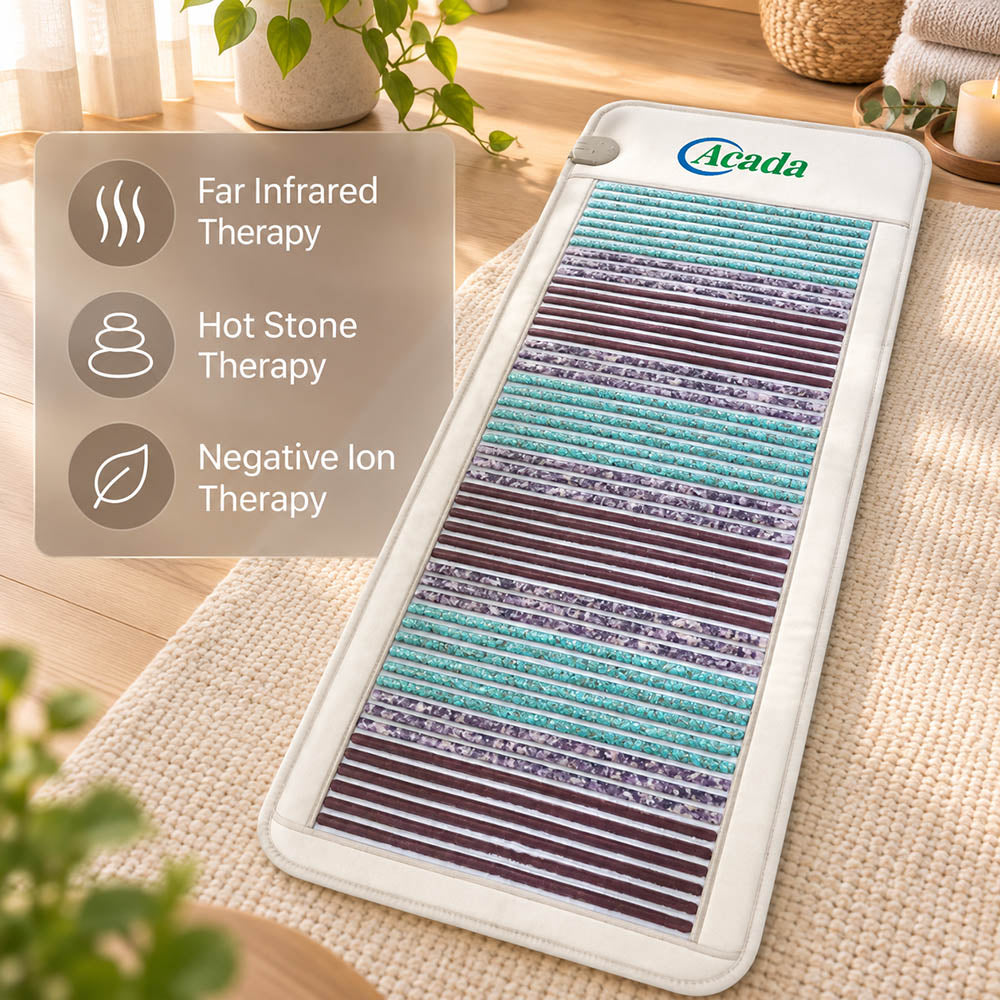
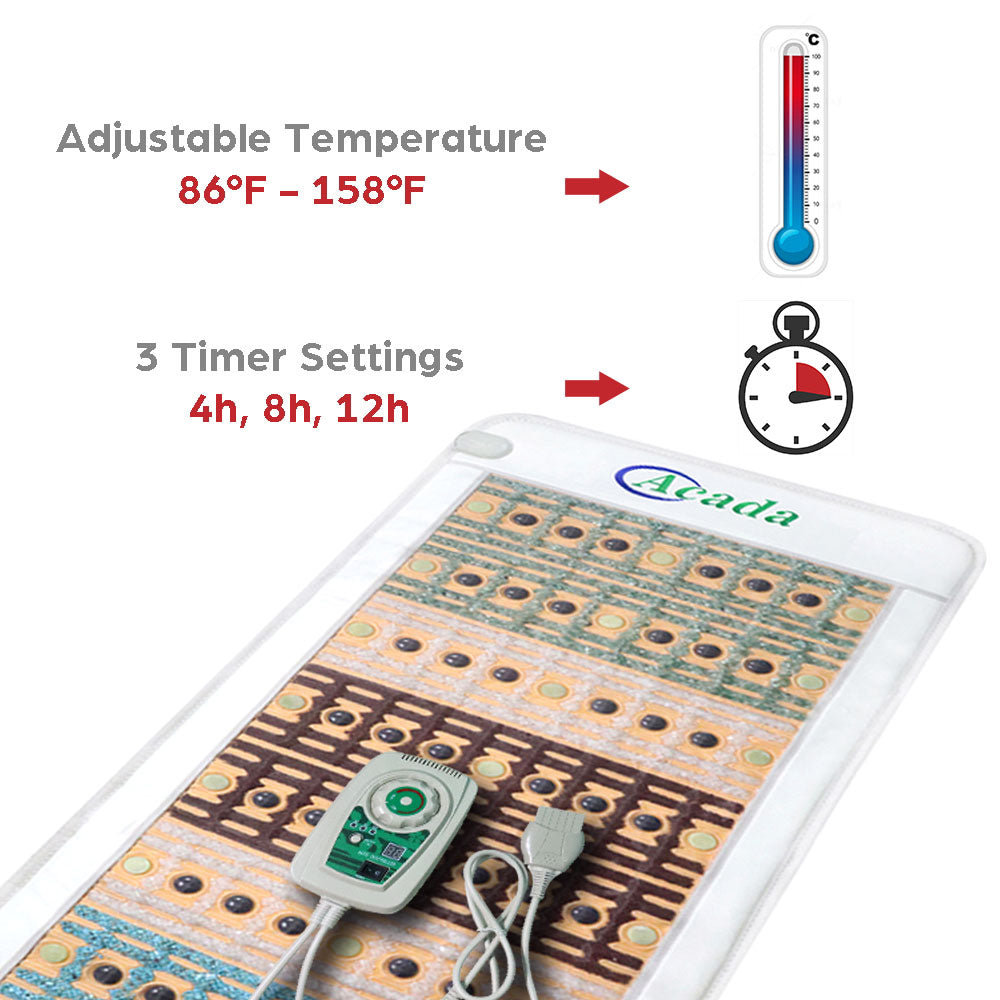
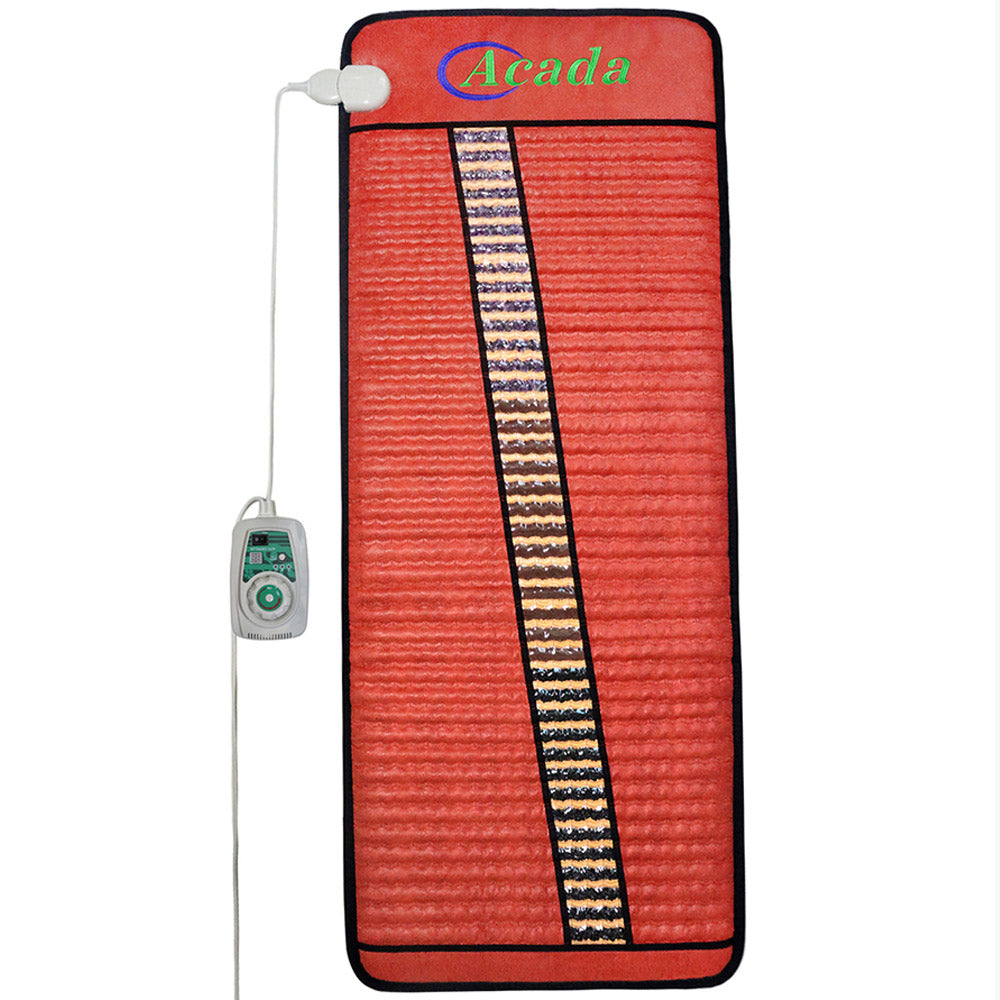
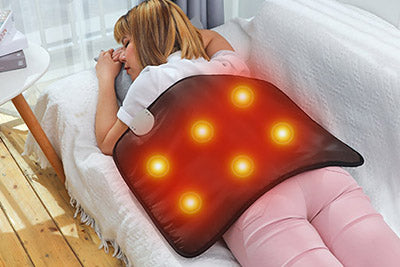
For people interested in using FIR heat as part of a home wellness routine, a full-size far-infrared heating mat can provide broader body coverage than a conventional heating pad.
5. Far-Infrared Therapy and Angiogenesis
Blood flow is not the only vascular process being studied.
Researchers are also investigating angiogenesis, the formation of new blood vessels.
The 2026 review describes evidence that FIR may influence angiogenic signaling through pathways involving VEGF, HIF-1α, endothelial progenitor cells, and NO. These pathways may contribute to the formation of new microvessels and tissue repair.
Animal research has provided some of the clearest evidence in this area.
In diabetic wound models, FIR has been associated with increased vascular regeneration and improved tissue repair. The 2026 graphene-FIR study described above also reported increased CD34-associated vascular regeneration in diabetic wounds.
These findings help explain why FIR is being explored not only for circulation but also for wound healing and tissue regeneration.
6. Far-Infrared Therapy and Chronic Kidney Disease
FIR has also been investigated in people with advanced kidney disease who require hemodialysis.
One particular area of interest is the arteriovenous fistula (AVF), which provides vascular access for hemodialysis.
Earlier studies suggested that local FIR exposure could increase access blood flow and potentially improve AVF maturation and patency. A randomized controlled study in patients with advanced diabetic kidney disease, for example, reported higher AVF blood flow and higher maturation and one-year unassisted patency rates in the FIR group.
However, newer evidence illustrates why it is important to look at the entire body of research rather than relying on individual positive studies.
What Did a 2026 Randomized Trial Find?
A 2026 multicenter randomized controlled trial published in the Clinical Journal of the American Society of Nephrology included 115 hemodialysis patients with functioning AVFs.
Participants in the FIR group received 40 minutes of FIR exposure during each hemodialysis session, three times per week, for one year.
After 12 months:
-
19% of patients in the FIR group required an intervention compared with 28% in the control group.
-
However, the difference was not statistically significant.
-
There were also no significant differences in thrombosed AVFs, time to first intervention, or change in access flow.
This study therefore did not demonstrate a significant improvement in overall AVF patency.
Why include a study with a negative result in an article about FIR?
Because this is what good scientific evidence looks like.
Some studies report promising effects, while others do not find a statistically significant difference. The 2026 trial suggests that the benefits observed in earlier studies may not necessarily apply to every population or treatment setting. Differences in patient characteristics, treatment protocols, devices, and study design may all matter.
7. Far-Infrared Therapy and Inflammation

Inflammation is another important area of FIR research.
The 2026 review proposes that FIR may influence inflammation through several interconnected pathways.
One proposed pathway involves oxidative stress.
When oxidative stress is reduced, activation of inflammatory signaling pathways such as NF-κB may also decrease. FIR has been associated in experimental research with reduced expression of several inflammatory mediators and adhesion molecules.
FIR may also influence macrophage behavior.
Macrophages can adopt different functional states depending on their environment. The 2026 review describes evidence suggesting that FIR may shift macrophage activity away from a strongly pro-inflammatory state toward a phenotype associated with inflammation resolution and tissue repair.
The 2026 diabetic-wound study provides an example of this mechanism being investigated experimentally. The researchers observed reduced M1 macrophage markers and increased markers associated with M2 macrophages following graphene FIR treatment.
Again, these findings are particularly interesting from a biological perspective, but much of the evidence comes from laboratory and animal models.
8. Far-Infrared Therapy and Tissue Repair
The combination of improved blood flow, reduced oxidative stress, modulation of inflammation, and angiogenesis has led researchers to investigate FIR in tissue repair.
The 2026 review discusses potential applications in wound healing and regenerative medicine. It suggests that the combined effects on endothelial function, oxidative balance, inflammatory signaling, and angiogenesis may create an environment more favorable to tissue repair.
The recent diabetic wound study provides further preclinical support for this concept.
In the rat model, FIR treatment was associated with:
-
Faster wound closure
-
Greater collagen deposition
-
Increased neovascularization
-
Reduced inflammatory cell infiltration
-
Reduced ROS accumulation
-
Modulation of macrophage polarization
Together, these findings suggest that FIR may affect several stages of the tissue-repair process rather than acting through a single pathway.
9. What About Pain, Muscle Soreness, and Recovery?
FIR has also been studied in areas such as chronic pain, muscle recovery, fatigue, and rehabilitation.
Earlier clinical research has reported potential improvements in pain and physical function in some populations, while other studies have produced mixed findings.
This is an area where consumers should be particularly careful when interpreting claims.
For example, FIR exposure may provide gentle heat, which itself can increase local circulation and help muscles feel more relaxed. Some FIR-specific studies also suggest biological effects beyond ordinary warming.
However, FIR should not automatically be assumed to provide the same effect for every type of pain, injury, or recovery process.
In addition, one FIR sports-recovery study that had previously attracted attention was retracted in 2026 because of concerns about informed consent and ethics documentation. This is another reason why current evidence should be evaluated study by study rather than relying on a single positive result.
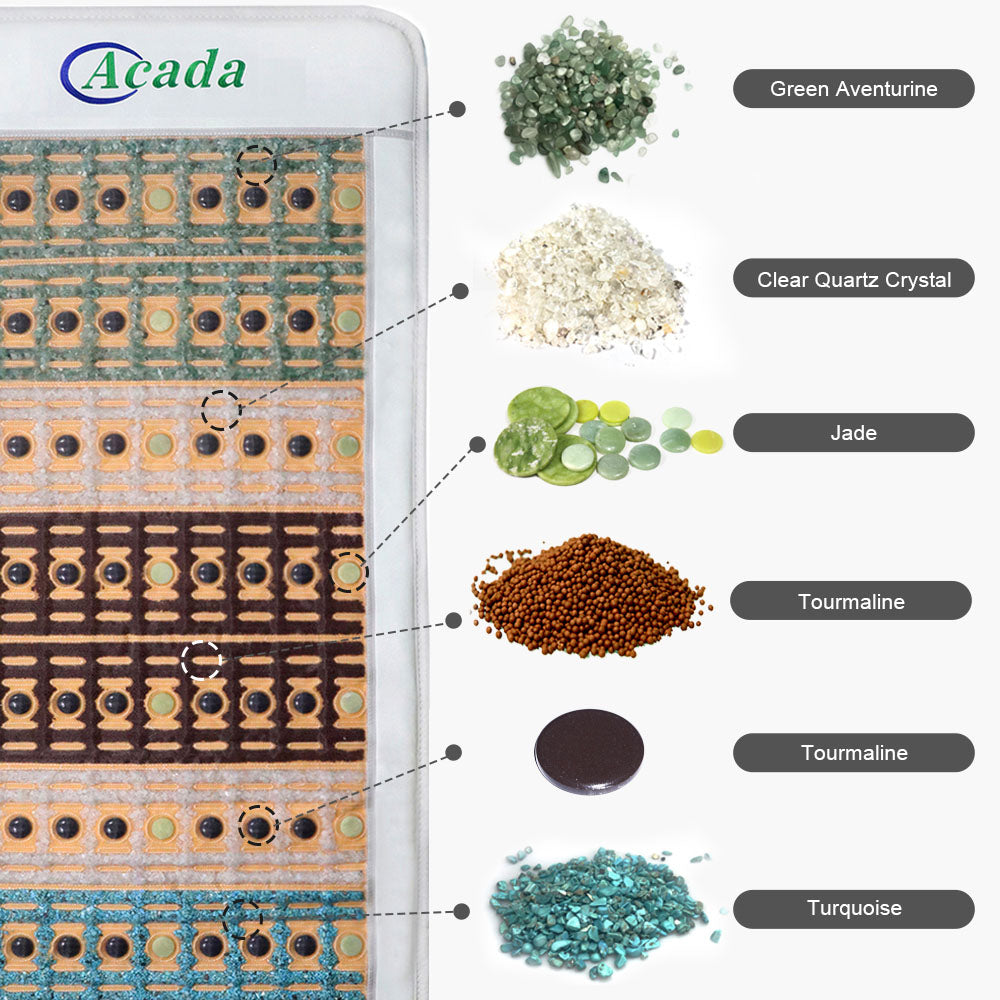
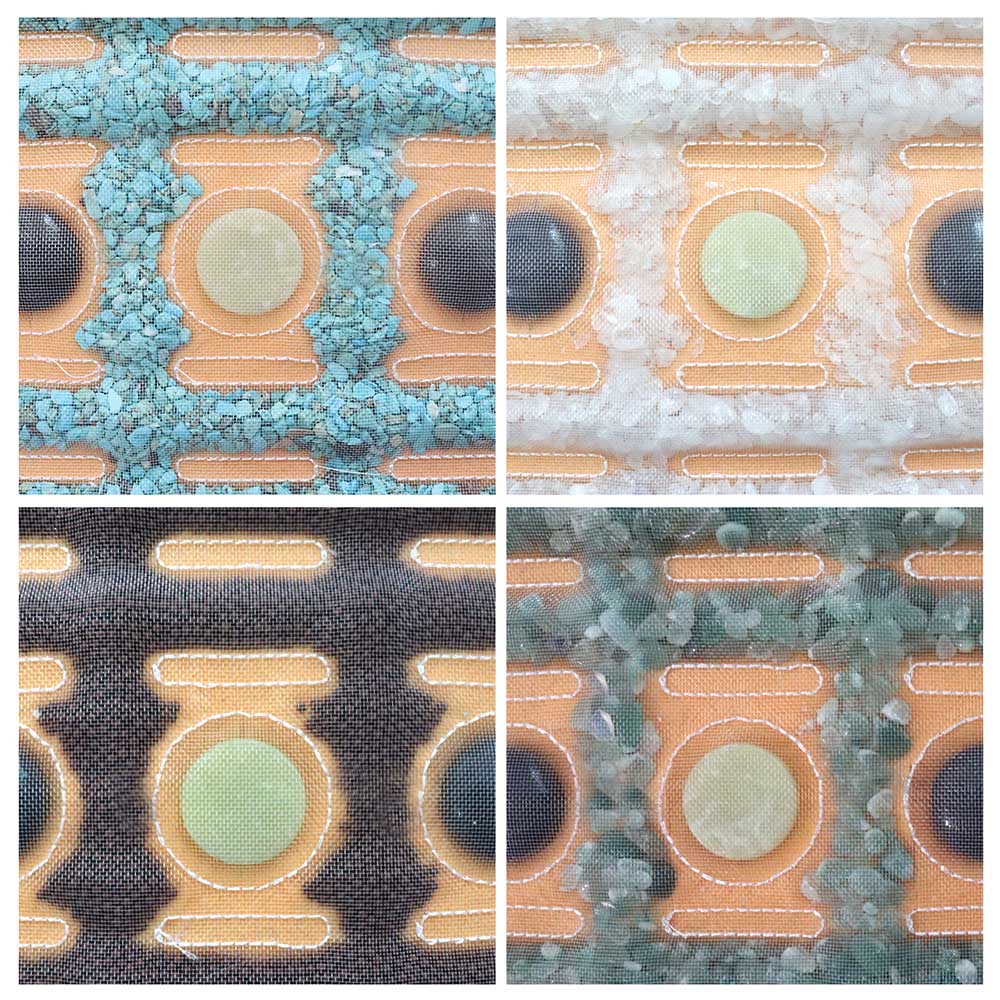
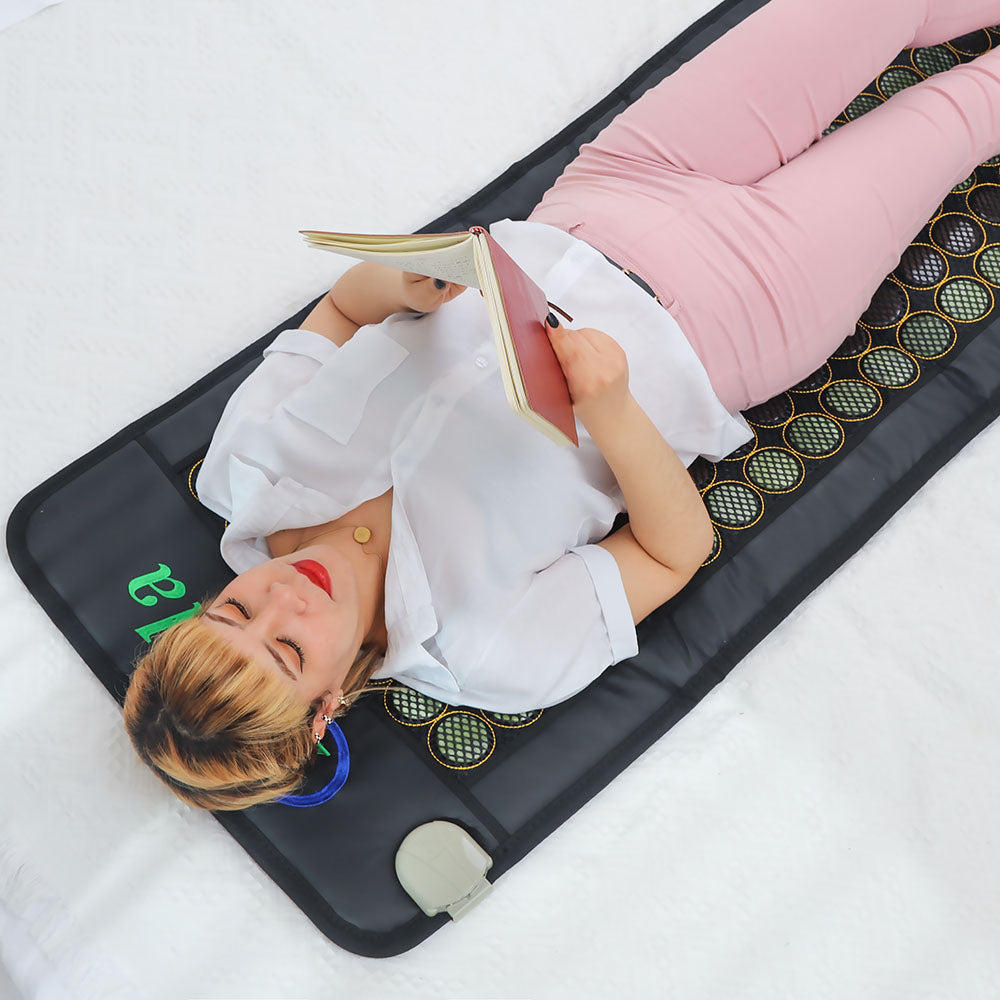
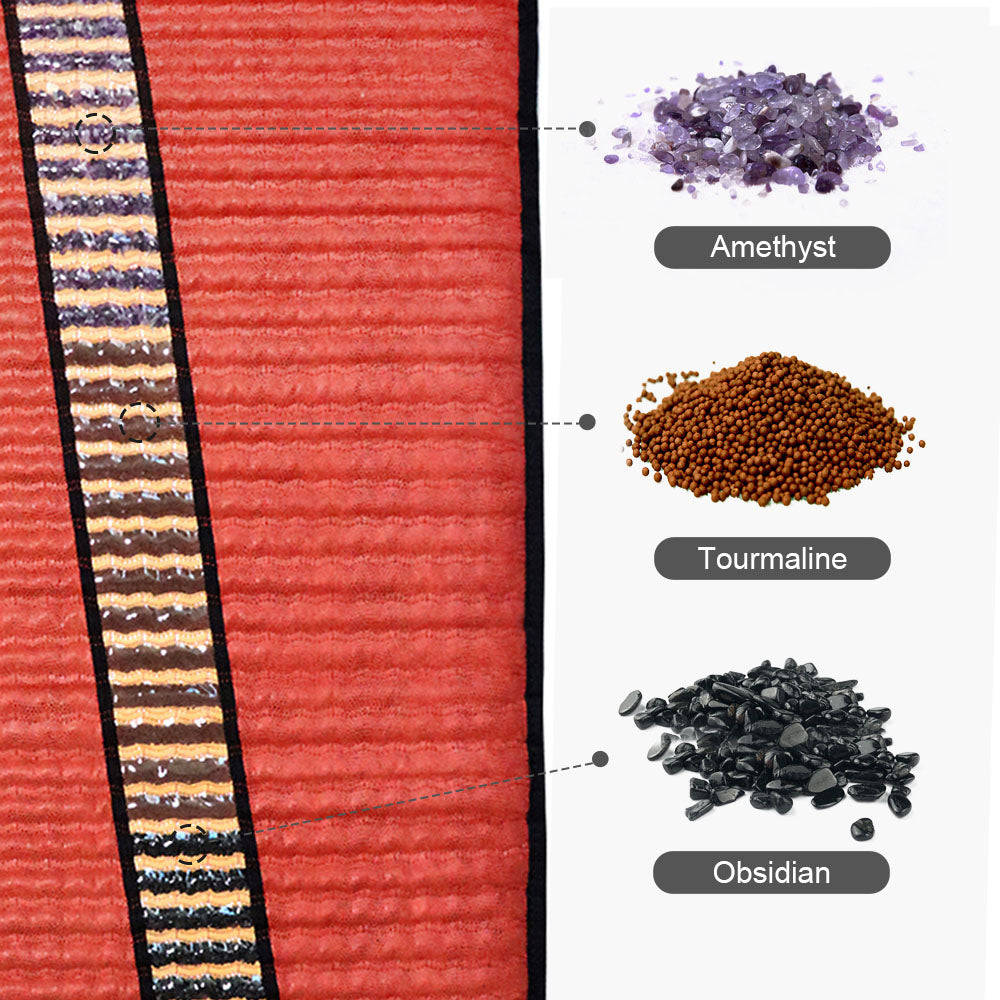
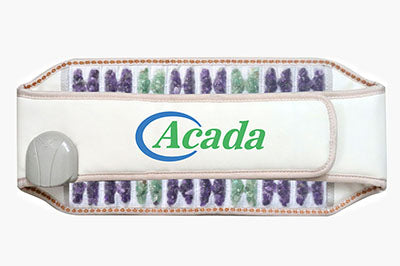
One example is Acada's Jade and Tourmaline Far Infrared Heating Pad for Back, designed for targeted use around the back, shoulders, neck, and other areas.
10. Thermal Effects vs. Potential Non-Thermal Effects
One of the most interesting questions in FIR research is whether its effects come entirely from heat.
The thermal effects are relatively straightforward to understand.
When tissue is gently warmed, blood vessels can dilate, local circulation can increase, and muscles may feel more relaxed.
But researchers are also investigating whether specific FIR wavelengths can trigger biological signaling that cannot be explained by temperature alone.
The 2026 review describes FIR as having both photothermal and photobiomodulatory effects and discusses signaling involving TRP channels, PI3K-Akt, AMPK, eNOS, Nrf2, and NF-κB.
At the same time, the authors emphasize that the precise contribution of each molecular pathway remains under investigation.
Therefore, it is more accurate to say that:
FIR may produce biological effects through a combination of gentle thermal changes and wavelength-dependent cellular signaling.
Rather than saying:
The non-thermal mechanism of FIR has already been scientifically proven.
The distinction matters.
What Does the Research Tell Us So Far?
Looking across the current literature, several themes appear repeatedly.
1. Vascular Function
FIR has been associated in some studies with improved endothelial-dependent vasodilation, increased NO availability, and changes in microvascular perfusion.
2. Circulation
Local FIR exposure can increase tissue temperature and may increase local blood flow. The exact magnitude and duration of the effect depend on the treatment protocol and individual circumstances.
3. Oxidative Stress
Experimental and clinical studies have investigated reductions in oxidative stress markers and activation of endogenous antioxidant pathways such as Nrf2.
4. Inflammation
Research suggests that FIR may influence inflammatory signaling, including NF-κB-related pathways and macrophage activity.
5. Angiogenesis and Tissue Repair
Preclinical studies suggest that FIR may promote angiogenic signaling and support tissue repair, particularly in models of ischemia and diabetic wounds.
6. Clinical Evidence Is Still Developing
Not every clinical study produces the same result. The 2026 randomized trial in hemodialysis patients, for example, did not find a statistically significant improvement in AVF outcomes after one year.
This means FIR should be viewed as an emerging complementary therapy with promising areas of research, rather than a universally established treatment for specific diseases.
For readers interested in exploring FIR as part of a personal wellness routine, Acada's collection of far-infrared heating mats and pads provides several options for full-body and targeted use.
What Researchers Still Need to Understand
Despite growing interest, several important questions remain.
Optimal Wavelength
Different FIR devices may use different emission spectra. More research is needed to understand whether particular wavelengths produce different biological responses.
Treatment Dose
Researchers are still investigating the ideal combination of:
-
Exposure intensity
-
Treatment duration
-
Treatment frequency
-
Distance from the skin
-
Treatment area
Different Delivery Methods
FIR sauna therapy, localized FIR irradiation, infrared emitters, and wearable or mat-based systems are not necessarily equivalent.
A result obtained using a clinical FIR emitter should not automatically be assumed to apply to every FIR device.
Long-Term Outcomes
Many studies have relatively small sample sizes or limited follow-up periods. Larger, well-designed randomized controlled trials are needed to determine whether physiological changes observed with FIR translate into meaningful long-term health outcomes.
So, What Can You Take Away From the Research?
The scientific interest in far-infrared therapy is not based on a single proposed benefit.
Instead, researchers are investigating a network of possible effects:
FIR exposure
↓
Gentle tissue warming + wavelength-dependent signaling
↓
eNOS / NO activation
↓
Vasodilation and vascular homeostasis
Alongside:
Nrf2 antioxidant signaling
↓
Reduced oxidative stress
And:
NF-κB / inflammatory signaling modulation
↓
A potentially less inflammatory tissue environment
Together with:
VEGF / angiogenesis-related pathways
↓
Microvascular growth and tissue repair
The 2026 literature provides a more detailed biological framework for understanding these connections, while also making clear that many questions remain unanswered.
The Bottom Line
Far-infrared therapy is an active area of research in cardiovascular, metabolic, vascular, inflammatory, and regenerative medicine.
Current research suggests that FIR exposure may influence several physiological processes, including circulation, endothelial function, oxidative stress, inflammatory signaling, angiogenesis, and tissue repair.
Some clinical studies have reported encouraging results, while other well-designed studies have found no statistically significant benefit for specific outcomes. Preclinical research—particularly animal and cellular studies—continues to provide important clues about how FIR may work, but those findings still need to be confirmed in larger human trials.
The most accurate way to understand FIR today is therefore not as a replacement for conventional medical care, but as a non-invasive complementary approach that continues to be investigated for its potential effects on vascular and cellular health.
As research continues, better-designed clinical trials may help answer the questions that matter most: which wavelengths work best, what treatment parameters are appropriate, who is most likely to benefit, and how FIR can be safely incorporated into everyday wellness and supportive care.
A Note on Using FIR Therapy
FIR products and therapies vary considerably in wavelength, intensity, temperature, exposure time, and design. Research findings from one type of FIR treatment should not automatically be assumed to apply to every FIR device.
If you have a medical condition, are receiving medical treatment, or have questions about whether heat or FIR exposure is appropriate for you, consult a qualified healthcare professional before use.
This article is intended for educational purposes only and does not diagnose, treat, cure, or prevent any disease or medical condition.
If you are considering adding FIR heat to your wellness routine, choosing a mat or pad based on your preferred coverage and intended use can help you find an option that fits your routine.
Explore ACADA's far-infrared heating mats and pads
Research Sources
Far-Infrared Therapy: Mechanisms of Action. 2026 June 20
Read the full far infrared review on PMC
Effect of Far Infrared Radiation on the Proportion of Interventions in Arteriovenous Fistulas in Patients on Hemodialysis: A Randomized Trial. 2026 June 12
Read the Effect of Far Infrared Radiation randomized trial on PMC
Graphene Far-Infrared Therapy Enhances Diabetic Wound Healing Through Potential Mitigation of Oxidative Stress and Inflammation and Regulation of Chemokines and Macrophage Polarization. 2026 March 29